Ycee Clarifies His Stance on the “Olodo Uprising” Debate: “I Didn’t Coin the Phrase”
Ycee sparked a major debate by criticizing Nigeria’s “Olodo Uprising” — the rise of brain-rot content and anti-intellectualism.
By Godwin Adejor ·
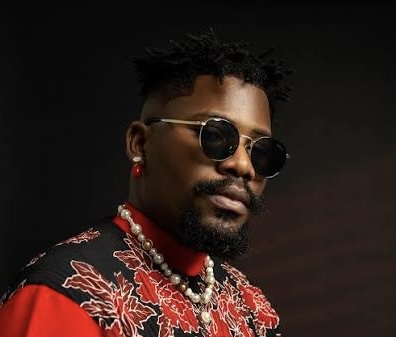
Nigerian rapper Ycee (Oluwadamilade Martin Alejo) has become the focal point of one of the most heated cultural conversations in Nigeria in 2026. His comments on the Afropolitan Podcast about the rise of “brain-rot” content, anti-intellectualism, and what he termed the “Olodo Uprising” ignited widespread debate, backlash, and defenses across social media.
During the podcast, Ycee expressed concern over shifting societal values in Nigeria. He argued that the country is moving away from celebrating academic excellence toward rewarding low-effort, sensational, or “dumb” online content. He contrasted the older “Yahoo culture” (internet fraud for quick wealth) with what he called “Peller culture,” referencing popular TikTok streamer Habeeb Hamzat, known as Peller.
Key excerpts from his comments include:
“Nigerian society is no longer celebrating academic excellence. It’s not even Yahoo culture anymore; now we have a ‘Peller culture.’ This ‘Olodo’ uprising we are witnessing is terrible. It feels like we are trying so hard to accommodate ignorance so people won’t feel bad, and now they seem to be the majority.”
Ycee emphasized systemic issues like insecurity, poor leadership, and declining investment in education, while stressing he had “no shade” or personal beef with Peller — urging him to “get your coins” but warning about long-term sustainability.
The remarks quickly went viral, sparking an “online exchange.” Peller fired back, calling Ycee disrespectful for naming him and labeling the rapper an “illiterate” for not making his point without specifics. Other figures weighed in:
• Portable accused Ycee of clout-chasing due to his own career challenges.
• Jarvis (Peller’s partner) and others defended content creators, pointing to economic realities, graduate unemployment, and the fact that education doesn’t always guarantee financial success.
• Supporters of Ycee praised the phrase as apt commentary on anti-intellectual trends.
In a follow-up interview with Cool FM Lagos, Ycee stood firm: “Some people are saying I shouldn’t have called Peller’s name, but I said what I said. If you feel offended, you should check yourself… The olodo uprising is even worse than I thought because there are so many people coming out to defend it.” He clarified his message was a call to those tired of low-value content and encouraged intelligent people to thrive as creators.
As the phrase “Olodo Uprising” (Yoruba slang for “fool” or academically weak person, now symbolizing a broader cultural shift) exploded into memes, debates, and trending topics, some urged Ycee to capitalize on it through trademarks, merchandise, or a song.
In a recent statement, Ycee addressed this directly: “I didn’t coin the phrase ‘Olodo Uprising’” and explicitly ruled out trademarking, making a song, or producing merch around it. He emphasized that the phrase belongs to the people and the culture, not to be commercialized by him.
This clarification shows Ycee distancing himself from ownership while reaffirming his underlying critique of societal priorities. It underscores that his intent was cultural commentary, not personal branding or profit from the controversy.
The debate has transcended Ycee vs. Peller. It highlights deeper issues in Nigeria: the tension between formal education and the gig/creator economy, the power of social media algorithms in amplifying sensational content, youth unemployment, and what society chooses to reward.
Critics argue Ycee singled out individuals unfairly, while supporters see it as a necessary warning about long-term societal costs of prioritizing virality over substance. The “uprising” metaphor has resonated widely, with many using it to discuss everything from content quality to national development.
Ycee’s position remains consistent: He’s highlighting a trend he finds concerning, without claiming invention of the language used to describe it. As the conversation evolves, his “I said what I said” moment continues to provoke reflection on what kind of culture Nigeria is building for the next generation.
Whether one agrees with his take or not, the “Olodo Uprising” discourse has undeniably put education, content creation, and national values under the spotlight.