VeryDarkMan on the Psquare/Okoye Brothers Saga
VDM, a longtime Psquare fan, shared Peter’s videos and stressed that Jude’s role as manager must be considered in the feud.
By Godwin Adejor ·
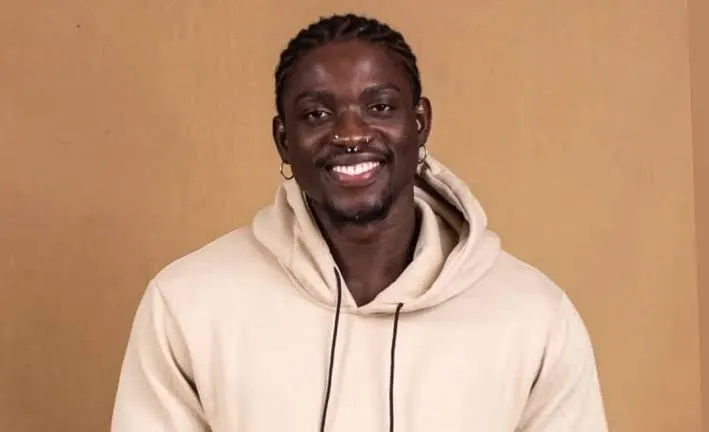
Martins Vincent Otse, better known as VeryDarkMan (VDM), has long positioned himself as an unfiltered commentator on Nigerian celebrity drama, injustice, and public accountability. The ongoing feud involving the Okoye brothers—twins Peter (Mr P) and Paul (Rudeboy) Okoye of the once-dominant duo Psquare, along with their elder brother and former manager Jude Okoye, fits squarely into the kind of family-and-money conflict that draws his attention. As of early August 2026, with Peter releasing a multi-part tell-all video series detailing alleged financial discrepancies, property disputes, threats, and a failed reunion, VDM has been circulating those clips while drawing on his earlier public stance as a genuine fan.
Psquare rose to become one of Africa’s biggest acts in the 2000s and 2010s with hits, signature choreography, and massive commercial success. Tensions over management, creative control, and finances led to a public split around 2017. The brothers pursued solo paths (Peter as Mr P, Paul as Rudeboy), with Jude central to the disputes. A 2021 reunion briefly raised hopes, but by 2024 the group had fractured again amid accusations of royalty mismanagement, diverted funds, company ownership issues (including Northside-related entities), and EFCC involvement stemming from Peter’s petition. Legal proceedings have continued, with claims and counterclaims over accounts, catalog rights, and alleged threats. Peter’s recent video series revisits events from the mid-2010s onward, including property divisions, a confrontation, and claims that the 2021 “reunion” was more about brotherhood than fully restarting the group on equal terms. Jude and Paul have pushed back in various statements.
The saga mixes family loyalty, business distrust, and the high stakes of a valuable music catalogue and brand—classic elements that turn private grievances public.
VDM has been open about his personal investment. In August 2024, reacting to an open letter from Peter to Paul, he described the split as deeply emotional. He called Psquare his “no1 of all time,” said he knew every song “word for words” (from “Last Nite” and “Bizzy Body” to “Do Me,” “Alingo,” and others), and admitted tears when they parted. He noted they were the only artists he ever bought tickets to see live. His straightforward plea was “make una settle”—they are one, not two—and he framed himself as a heartbroken genuine fan who remembered their era competing with acts like 2Face.
In the current wave of disclosures (Peter’s multi-part videos in early August 2026 covering alleged royalty shares, bank accounts, law-enforcement involvement, and apartment confrontations), accounts linked to amplifying VDM’s content have shared the installments extensively. One attributed perspective circulating around the discussion urges Nigerians not to frame the matter solely as a Peter-versus-Paul (or Psquare-only) issue: Jude contributed substantially as manager and music video director (with Peter himself acknowledging learning aspects of video directing from him). Judging the conflict requires including the elder brother’s role rather than reducing it to the twins alone.
This aligns with VDM’s broader style, refusing neat narratives, highlighting power dynamics in family/business setups, and pushing for accountability on money and management while still expressing attachment to the cultural impact of the artists involved. He has not presented himself as an investigator of the Okoye finances in the same way he approaches other public figures or institutions; instead, the emphasis has been on the human and legacy cost of the prolonged rift for fans who grew up on the music.
For many Nigerians who came of age with Psquare’s dominance, the endless cycle of splits, reconciliations, and fresh accusations feels like watching a cultural institution erode. VDM’s commentary taps into that nostalgia while applying his usual skepticism toward opaque family-business arrangements and one-sided public storytelling.
Whether the latest videos shift legal outcomes or public opinion remains to be seen. Court processes involving the EFCC and related claims have been ongoing and contested, but the fan’s lament (“make una settle”) from 2024 still echoes as the simplest underlying wish.
The Okoye brothers’ saga continues to unfold through videos, statements, and courtrooms. VDM’s interventions so far mix personal fandom with a call for fuller context around all three brothers, underscoring how money, management, and brotherhood can unravel even the most successful creative partnerships.