U.S. Launches "Heavy Wave" of Strikes Against Iran.
Retaliation in the Gulf: U.S. Launches "Heavy Wave" of Strikes Against Iran Following Failed Missile Attack on Troops in Jordan
By EZINNE ·
ANGLE360 NEWS | LIVE UPDATES
Retaliation in the Gulf: U.S. Launches "Heavy Wave" of Strikes Against Iran Following Failed Missile Attack on Troops in Jordan
By Ezinne Nwokwu
Published: July 30, 2026
Key Developments At-a-Glance
The U.S. Response: The United States military executed a concentrated, two-hour "heavy wave" of airstrikes targeting dozens of military installations across Iran.
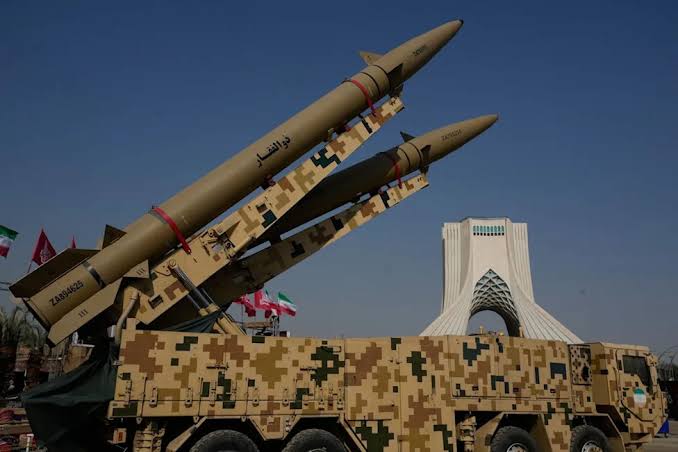
The Triggering Event: The offensive serves direct retaliation for a surprise ballistic missile barrage launched by Tehran targeting American personnel stationed at the Muwaffaq Salti Air Base in Jordan.
Interceptions and Casualties: Jordanian air defense batteries successfully intercepted and destroyed inbound missiles, while regional monitoring reports indicate rising casualties among Iran's Islamic Revolutionary Guard Corps (IRGC) and aligned proxy networks following subsequent multi-national operations.
Pentagon Executes Massive Two-Hour Barrage
WASHINGTON / TEHRAN , The fragile, short-lived diplomatic pause in the Middle East shattered definitively this week as the United States military unleashed a massive wave of retaliatory airstrikes against strategic assets inside Iran.
According to official statements released by U.S. Central Command (CENTCOM), the operation commenced at 8:00 p.m. ET and concluded following a intense two-hour window of precision bombardments. Assets deployed from regional platforms targeted dozens of high-value Islamic Revolutionary Guard Corps (IRGC) sites, including primary military command centers, underground missile and drone storage depots, coastal defense grids, and maritime patrol infrastructure.
The heavy military response follows an attempted surprise attack orchestrated by Iranian forces, which launched multiple ballistic missiles toward U.S. service members stationed at regional hubs, including Jordan. While regional defense systems including Jordan’s air defense grid successfully intercepted and neutralized the incoming projectiles before they struck their targets, the escalation instantly derailed fragile back-channel negotiations and a brief cessation in active bombing runs.
President Donald Trump, speaking ahead of the operation, made clear that the administration's brief window for diplomacy had closed, warning that Tehran would face severe consequences for breaking the de-escalation framework.
Regional Spillover and Shaking Diplomatic Fronts
The sudden resumption of open warfare has immediately triggered a cascade of secondary military actions across the theater. Alongside direct strikes inside Iranian territory, joint operational responses targeted Iran-backed paramilitary positions in neighboring Iraq, resulting in mounting regional casualties and drawing swift condemnation from allied proxy leadership.
International bodies and neutral mediators have expressed profound alarm over the renewed intensity of the conflict. United Nations officials warned that a prolonged escalation risks dragging the entire region into an uncontainable multi-front crisis, threatening vital commercial shipping lanes, global energy markets, and civilian population centers alike.
As air-raid sirens sound across parts of southern Iran and military commands on both sides transition back to a high-readiness posture, hopes for a durable ceasefire have been cast into deep uncertainty.
Angle360 News will continue to provide live, verified updates as this developing story unfolds.