The Choice Before Kaduna By Sani Abdulrazak
A sector that defies drama, yet consequentially integral in Kaduna state is healthcare. Primary Healthcare Centres have continued to receive upgrades, sixteen general hospitals have witnessed rehabilitation, the once-abandoned 300-bed Specialist Hospital has emerged from years of limbo
By Angle360 Admin ·
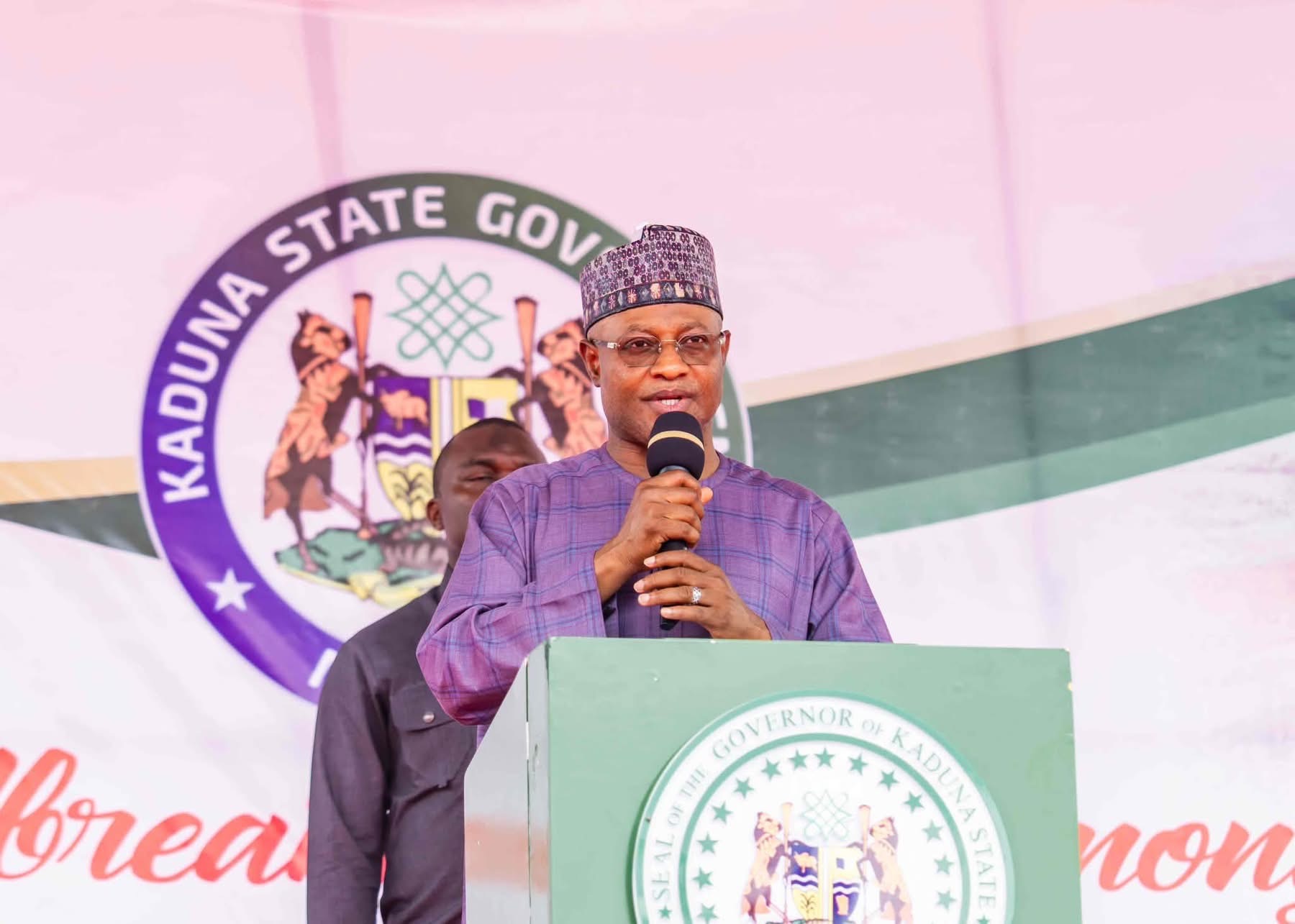
People go through watershed moments sometimes when the cacophony of politics attempts to drown the cadence of progress, it becomes more serious when chimera masquerades as certainty, but it is a known fact after all, that the loudest voices are most times not, necessarily the wisest. Kaduna seems to have arrived at one of those moments. The propagandist opposition within the state are trying very hard to burnish manifestoes and criticisms wrapped in hyperbole and rehearsed until it begins to mistake itself for truth. Yet, history has always been an unforgiving arbiter. It has an uncanny habit of stripping rhetoric naked, leaving only the vestiges of deeds. It is against that backdrop that one is compelled to reflect, not on who shouts the loudest especially on social media, but on who has quietly altered the landscape of the beautiful crocodile state. That, conceivably, is the choice before Kaduna State.
Education hewn the destiny of a society, long before it is announced in boardrooms. Governor Uba Sani of Kaduna State appears to appreciate this axiom. As if constructing hundreds of classrooms, renovating neglected schools, expanding access to education and reviving projects abandoned to bureaucratic torpor is not remarkably astral, his administration has gone further to make tertiary education more affordable through the reduction of tuition fees in state-owned institutions. That single decision has become a bulwark against hopelessness for thousands of families. Parents breathe easier, students remain in school instead of abandoning their dreams, enrolment has received fresh impetus, and human capital has become a little less hostage to economic adversity. Even the reconstruction of roads within Ahmadu Bello University, despite its federal status, speaks of governance that refuses to hide behind jurisdictional caveats. Curiously, while lecture halls become fuller, some critics remain engrossed in composing jeremiads, as though hashtags now award degrees and social media threads have replaced convocation ceremonies. If this does not deserve another term, then perhaps Kaduna should entrust its classrooms to keyboard warriors instead?
A sector that defies drama, yet consequentially integral in Kaduna state is healthcare. Primary Healthcare Centres have continued to receive upgrades, sixteen general hospitals have witnessed rehabilitation, the once-abandoned 300-bed Specialist Hospital has emerged from years of limbo, health insurance coverage has expanded considerably, and investments in personnel and equipment continue with assiduity. Yet, one occasionally encounters the strange absurdity wrapped as opposition, that government should be judged not by functioning hospitals but by the virulence of online criticism. It is almost as though some believe ailments or surgeries retreat before social media posts. Should we now replace stethoscopes with microphones or social media posts and call it healthcare?
If there is any sector that more clearly illustrates the difference between governance and grandstanding in Kaduna State, it is agriculture. Mechanisation, dry-season farming, free fertilizer distribution, value addition, the Special Agro-Industrial Processing Zone and renewed support for farmers all point towards a carefully crafted paradigm rather than an accidental policy. There is a metamorphosis taking place in rural communities indeed. While genuine farmers harvest maize, ginger and tomatoes, critics harvest conspiracy theories with astonishing alacrity. One group tills the soil and produces food; the other tills public resentment. Since when did viral posts become a substitute for fertile fields?
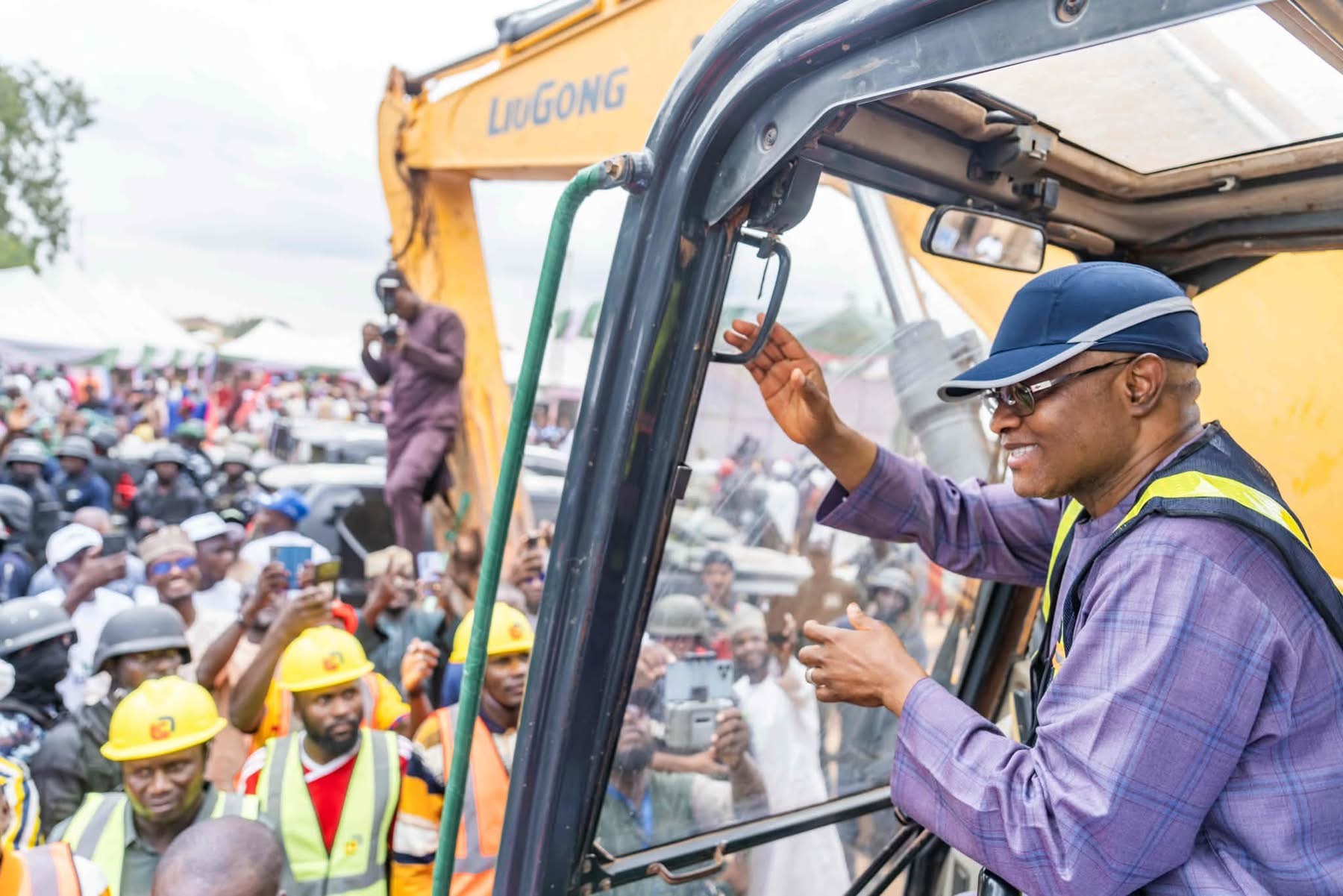
They wouldn’t want to take their ballyhoo to infrastructure for sure, because infrastructure refuses to remain invisible no matter how determined propaganda may be. Roads snake through communities once forgotten, bridges reconnect places long separated, water projects restore hope where scarcity once seemed ineluctable, and abandoned projects have gradually returned from institutional comatose. Yet there exists a peculiar group of disgruntled politicians that notices every pothole repaired only long enough to ask why another one still exists somewhere else. It is a curious predilection, almost quixotic, to dismiss completed projects because perfection has not yet arrived. Must development now apologise for not occurring overnight?
Security, remains man's most delicate labyrinth, and perhaps the easiest subject upon which to score political points. No responsible leader claims absolute victory against insecurity, yet few can deny that many communities once deserted have gradually witnessed the return of farming, commerce and social interaction. Such progress may not satisfy those addicted to political apoplexy, but it certainly matters to the farmer returning to his land after years of displacement. Or should insecurity be preserved simply because it offers better campaign material?
Economic governance, that complex yet rarely glamorous aspect of governance is not left out. Increased internally generated revenue, prudent expenditure, strategic partnerships, capital investments and fiscal discipline have gradually strengthened Kaduna's financial architecture. International partners investing in Kaduna state seldom do so because of slogans, but because of credibility. Sadly, the numbers don’t lie as data is a very stubborn thing. Are spreadsheets now expected to consult political parties before balancing their figures, or should economic data also join the opposition?
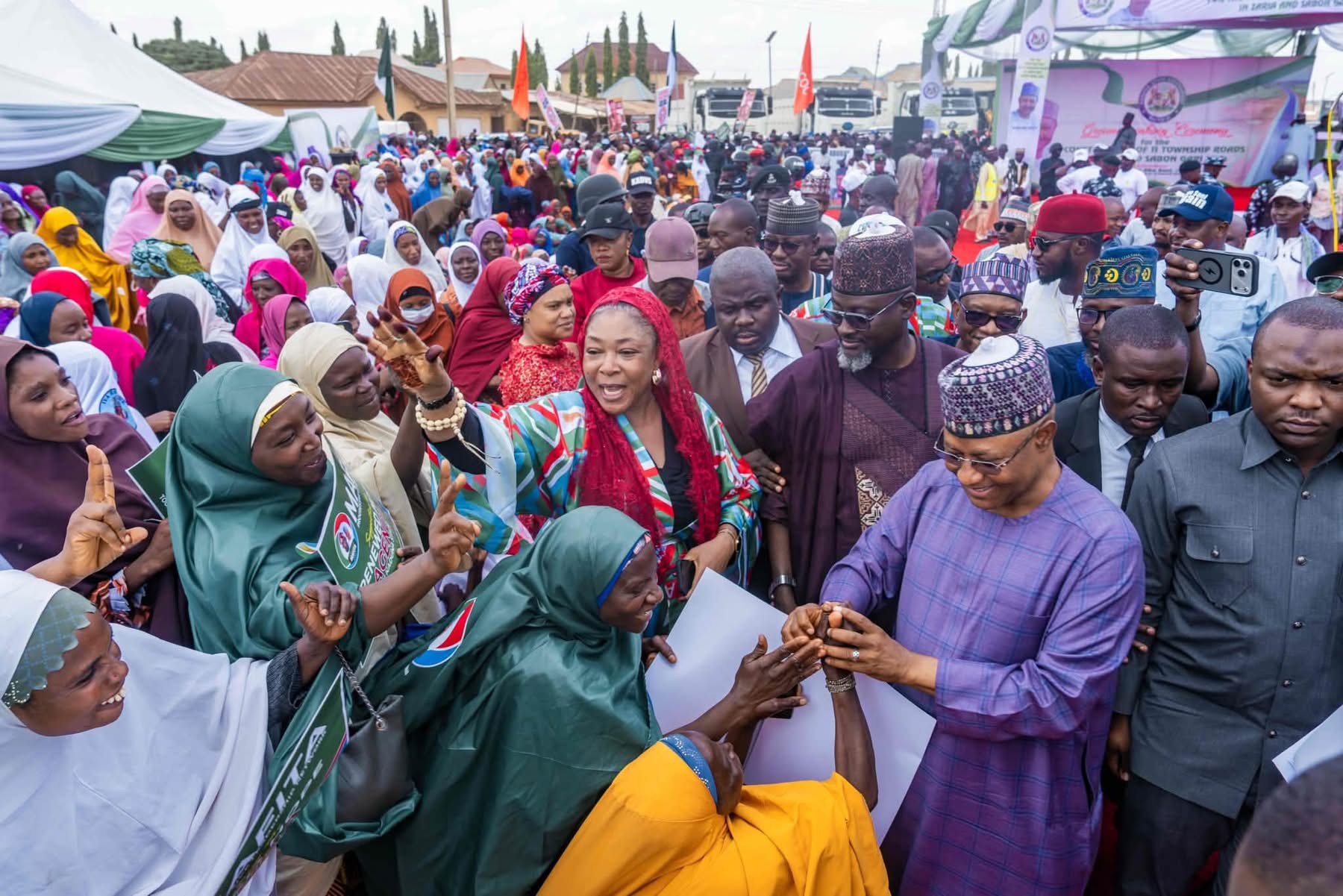
Youth empowerment deserves equal reflection. With a skills acquisition centre in each of the three senatorial zones of the state, entrepreneurship support, digital innovation and targeted interventions for small businesses, an attempt is being made to replace dependency with productivity. The apotheosis of governance is not the endless distribution of charity but the deliberate creation of opportunity. Young people increasingly seek tools and training against tokenism and expectancy, Still, there are those who measure empowerment only by the number of campaign T-shirts distributed during election season. Have branded caps suddenly become the highest form of economic policy?
The choice before Kaduna State is simpler than it first appears. Shall we exchange reduced tuition fees for recycled promises? Shall rehabilitated hospitals be traded for rehearsed indignation? Shall roads surrender to rhetoric, farms to social media debates, security gains to sensationalism, and fiscal prudence to flamboyant bombast? Shall tangible progress bow before political charlatanry merely because criticism aims to be louder than construction?
For our democracy to grow further, we must come to a non-negotiable conclusion that the ballot is not an instrument for rewarding the most eloquent critic, but for judging the most effective steward. How promising can stewardship be than when classrooms are expanding, hospitals are reopening, roads are stretching farther, farmers are receiving greater support, communities are gradually becoming safer, and opportunities are multiplying. The evidence before us is not ephemerally ethereal, but enduringly concrete. And so, the lingering questions refuse to disappear: if this is not the direction Kaduna should continue, then what is? If these are not the footprints of purposeful leadership, whose are? If measurable progress has become insufficient, what miracle remains outstanding? And if the answer lies somewhere beyond Governor Uba Sani, then who, exactly, has presented Kaduna with a more convincing testament than the one already written across its schools, hospitals, farms, roads and communities?
Sani Abdulrazak, PhD, is a writer, researcher and a public affairs analyst based in Zaria, Kaduna State.