Sovereignty and Leverage: Tehran Rejected Oman’s Strategy.
Why did Iran reject Oman’s Hormuz proposal?
By EZINNE ·
ANGLE360 NEWS | LIVE UPDATES
Sovereignty and Leverage: Unpacking Why Tehran Rejected Oman’s Strategic Strait of Hormuz Proposal
By Ezinne Nwokwu
Published: July 30, 2026
Key Developments At-a-Glance
The Core Rejection: Tehran officially dismissed Oman’s diplomatic proposal aimed at establishing joint regional management and voluntary transit fees in the Strait of Hormuz.
The Sovereignty Demand: Iranian officials insisted that national security and sovereign oversight dictate that Tehran retain absolute control over the primary inbound shipping lane and sections of the outbound route.
Regional and External Friction: Senior Iranian leadership characterized the Omani framework modeled after the Strait of Malacca system and backed by Gulf neighbors and Western mediators—as an "unrealistic" encroachment influenced by external pressure.
Why Tehran Walked Away from the Omani Framework
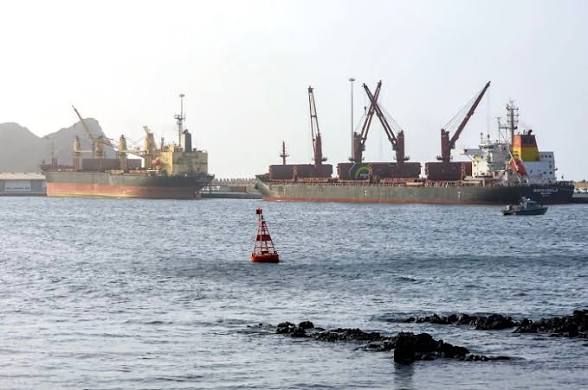
TEHRAN — As diplomatic channels scramble to navigate the ongoing maritime fallout of the wider U.S.-Iran conflict, deeper clarity has emerged regarding why Tehran swiftly rejected Oman’s recent proposal for managing the vital Strait of Hormuz.
The Omani initiative crafted alongside regional Gulf partners and modeled after the cooperative framework used in Asia's Strait of Malacca suggested a shared administrative mechanism featuring voluntary contributions from shipping companies to fund navigation and safety services. Crucially, the framework sought to replace Iran's unilateral control with an even 50-50 oversight division between Muscat and Tehran.
However, high-ranking diplomatic sources in Tehran confirmed that the proposal was deemed a non-starter. Iranian officials argued that an equal split and joint regional management diluted sovereign authority over a maritime chokepoint that handles a fifth of global energy supplies.
Strategic Security Versus International Pressure
According to statements from Iran's Deputy Foreign Minister Kazem Gharibabadi, Tehran's counter-position demands that inbound traffic lanes remain entirely under Iranian administration, citing both national security protections and operational control.
Furthermore, Iranian leadership voiced sharp suspicion that the Omani plan was heavily shaped by external pressure from the United States and Saudi Arabia, viewing the model as an attempt to strip Tehran of crucial economic and strategic leverage. While emphasizing deep diplomatic respect for Oman as a valued neighbor and mediator, Tehran made it clear that any enduring resolution regarding the transit corridor must align explicitly with its own terms leaving the future of safe commercial passage through the gulf hanging in a delicate balance.
Angle360 News will continue to provide live, verified updates as this developing story unfolds.