South-West Fulani Chiefs Reject Kidnapping Allegations, Warn Against Ethnic Profiling
South-West Fulani Chiefs Reject Kidnapping Allegations, Warn Against Ethnic Profiling
By Divine Macaulay ·
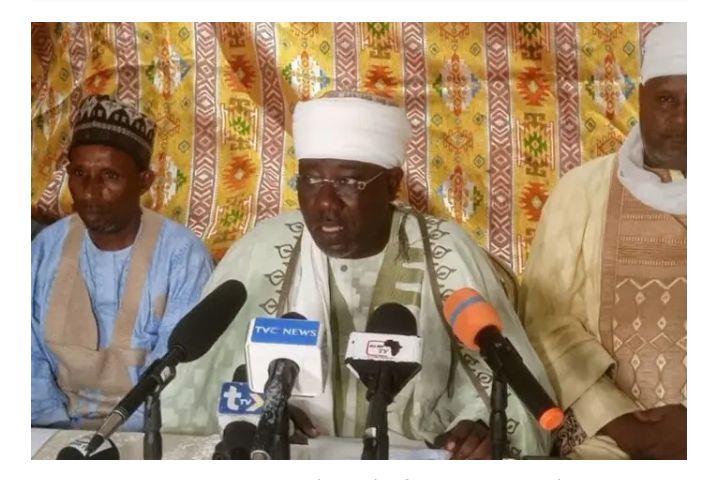
The Council of Fulani Chiefs in South-West Nigeria has condemned attempts to associate the entire Fulani ethnic group with kidnapping and other criminal activities, urging Nigerians to avoid ethnic profiling and allow security agencies to carry out their investigations without prejudice.
The council's position follows heightened public concern over insecurity and ongoing police investigations into alleged kidnapping activities in parts of Ogun State.
Speaking on behalf of the council, the Sarkin Fulani of Lagos and Chairman of the Council of Fulani Chiefs in the South-West, Alhaji Mohammed Bambado II, said Fulani communities across the region do not support kidnapping, banditry, armed robbery, or any form of criminality.
According to him, allegations currently being investigated by security agencies involve specific individuals and should not be used to stigmatise an entire ethnic group or its traditional institutions.
“The allegations under investigation concern specific individuals and should not be used to stigmatise the Fulani community or its traditional institutions,” Bambado stated.
His remarks come amid the investigation of a 67-year-old Fulani community leader, Abdullahi Muhammadu, popularly known as the Seriki Fulani of Ijebu-Ode, and his son over alleged links to kidnapping cases in Ogun State.
Police reportedly recovered a bag believed to have been used for ransom collection during the investigation. However, the suspect has denied any involvement in kidnapping, while authorities continue their inquiries.
Reacting to public discussions surrounding the case, the Fulani chiefs cautioned against generalising the actions of a few individuals and associating criminal conduct with an entire ethnic group.
The council noted that millions of Fulani people across Nigeria are law-abiding citizens engaged in legitimate economic activities, including cattle rearing, agriculture, commerce, and other businesses that contribute to national development.
It also urged the media, community leaders, and members of the public to exercise restraint in their comments and reporting to avoid inflaming ethnic tensions or undermining peaceful coexistence among Nigeria’s diverse communities.
At the same time, the chiefs reaffirmed their support for security agencies in the fight against crime, stressing that anyone found guilty of criminal offences should be prosecuted regardless of ethnicity, social status, or position.
“We support the efforts of security agencies and encourage anyone with useful information to assist law enforcement in tackling criminality,” the council said.
The statement comes as kidnapping-for-ransom and banditry continue to pose major security challenges across several parts of Nigeria, intensifying calls for more effective measures to protect lives and property.
While security experts have consistently warned against ethnic profiling, rising insecurity has continued to fuel public debate, particularly in cases where suspects are linked to prominent community figures.