Solomon Buchi on Tribalism: How Ethnic Loyalty Is Undermining Nigeria
Solomon Buchi says tribalism is destroying Nigeria because voting for leaders solely based on ethnicity does not shield anyone from the consequences of bad governance.
By Godwin Adejor ·
https://x.com/yabaleftonline/status/2086730519946178808?s=46
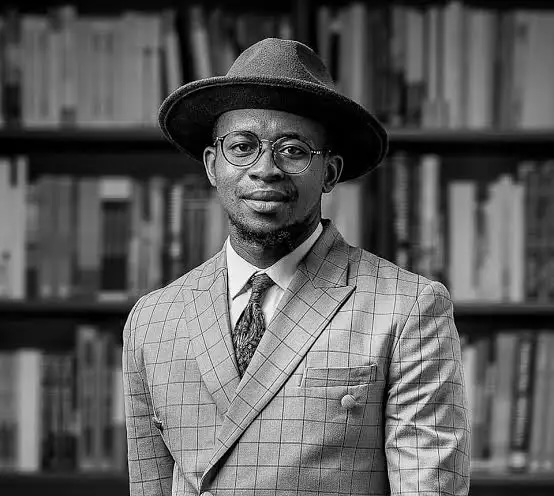
Nigerian life coach, writer, and social commentator Solomon Buchi has once again sparked debate with a blunt critique of tribalism in the country. In a recent video that gained popularity online, Buchi condemned the widespread practice of voting strictly along ethnic lines, arguing that such behavior is one of Nigeria’s core issues and does not protect anyone from the consequences of poor leadership.
“Tribalism is one of the problems of Nigeria. If you vote for someone solely because of their tribe, that does not exempt you from the consequence of that bad choice,” Buchi stated. His comments followed a man who openly declared he would support President Bola Tinubu simply because the president is Yoruba. Buchi rejected this logic, noting that hunger, bad roads, lack of electricity, and economic hardship do not spare people based on ethnicity.
Buchi’s stance is clear: ethnic solidarity in politics is ultimately self-defeating. When citizens prioritize “our person” over competence, character, or track record, they collectively invite the same failures that affect every Nigerian regardless of tribe. He described tribal voting as a form of short-sighted loyalty that ultimately harms the very people engaging in it.
This aligns with Buchi’s broader style of commentary. He has previously criticized patterns within his own Igbo community, including remarks on gender attitudes among Igbo men, while emphasizing that recognizing group tendencies is not the same as promoting tribal hatred. To him, honest self-examination is more important than defensiveness over ethnic pride.
Buchi’s intervention touches on a long-standing national wound. Nigeria’s politics have been heavily influenced by ethnic considerations since independence. Appointments, elections, and resource distribution often follow the logic of “federal character,” zoning, or informal ethnic balancing rather than merit alone. Though these mechanisms were initially intended to foster inclusion, they have often entrenched a system where competence takes a backseat to origin.
The effects are clear:
• Public office is sometimes seen as ethnic spoils rather than a duty to serve.
• Citizens defend underperforming leaders from their own ethnic group while criticizing better-performing ones from elsewhere.
• National issues—insecurity, infrastructure decay, economic hardship—persist because accountability is compromised by ethnic solidarity.
When hardship strikes, roads remain poor for everyone, the naira loses value for everyone, and insecurity threatens communities across regional lines. While ethnic voting may provide short-term emotional satisfaction, it fails to produce good governance.
Buchi’s message resonates with a growing frustration among many Nigerians who argue that the country cannot develop while citizens continue to prioritize tribe over performance. His critique questions the idea that supporting “one of us” automatically benefits the community. In reality, a poorly performing leader from one’s ethnic group can harm the group’s reputation and the country’s progress more than a qualified outsider.
The debate Buchi has reignited is not new, but it remains urgent. Nigeria’s diversity is often celebrated as a strength, yet that diversity becomes a liability when it is exploited for political loyalty at the expense of shared national goals. As Buchi stated, voting solely on tribal lines does not exempt anyone from the consequences. Those consequences—economic pain, failing institutions, stalled development are ultimately borne by all Nigerians, regardless of the language spoken at home.