Seun Kuti Questions the Power of Social Media in Nigeria’s Escalating Kidnapping Crisis
Seun Kuti argues in a widely shared video that social media lacks the power to force government response to kidnappings.
By Godwin Adejor ·
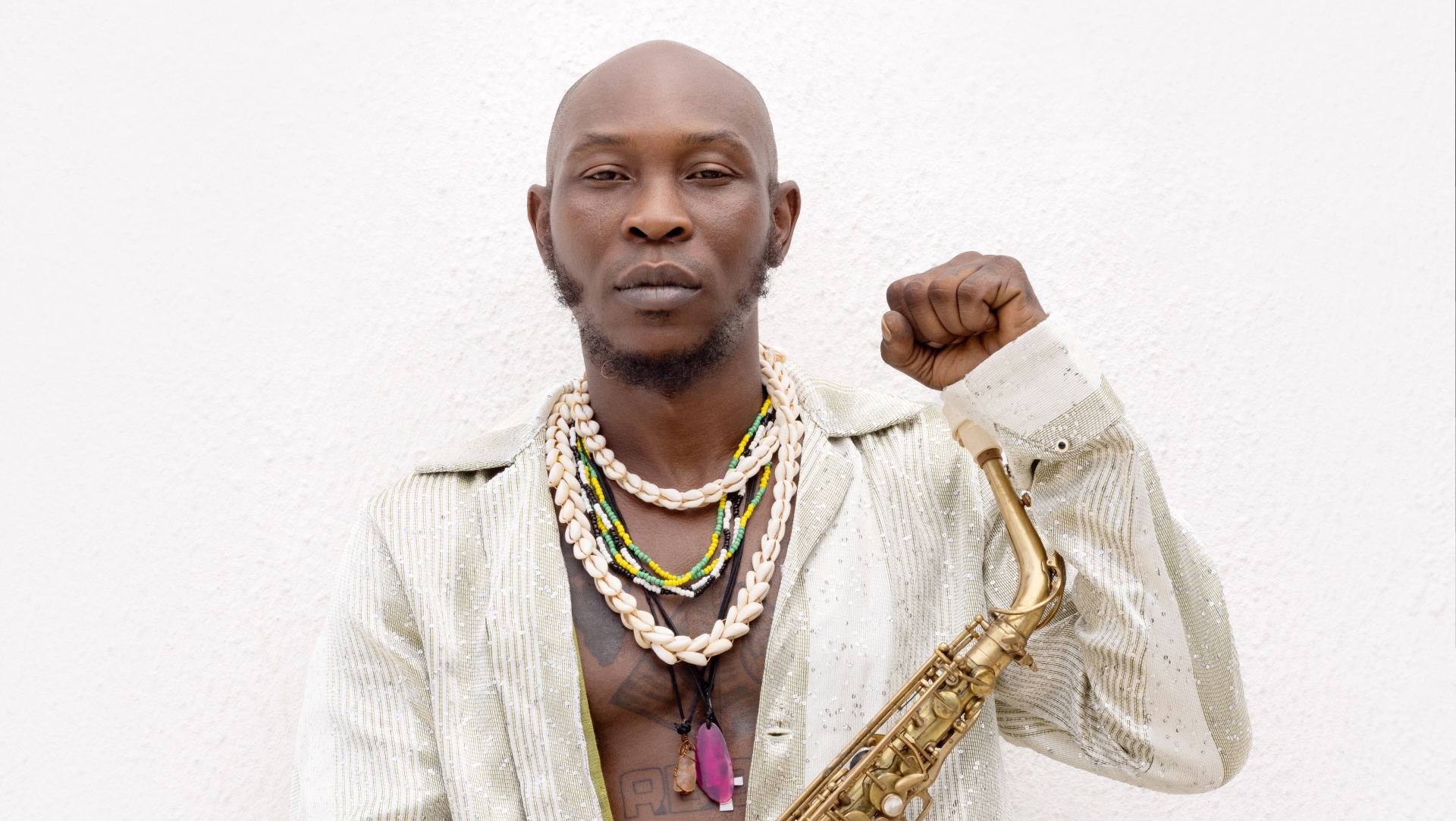
In a country where kidnapping has become a grim daily reality, Afrobeat musician and activist Seun Anikulapo-Kuti has issued a provocative challenge to Nigerians: stop relying on social media outrage as a substitute for real action. His recent comments, sparked by the abduction of schoolchildren and teachers in Oyo State, have ignited debate about the limits of online activism in addressing systemic insecurity.
Nigeria continues to grapple with a surge in kidnappings, particularly targeting schools and highways. In late May 2026, armed groups abducted dozens of students and teachers in Oyo State. Days later, many remained in captivity, with reports of violence including beheadings circulating on social media. Celebrities and citizens flooded platforms with calls for the victims’ release, echoing past campaigns like the global #BringBackOurGirls movement following the 2014 Chibok abductions.
In a video shared on his Instagram, Seun Kuti pushed back against this digital response. He argued that while everyone expresses outrage online, few translate that into collective action such as strikes or sustained pressure on authorities. “Everyone is outraged, but no one is on strike,” he stated. Referencing the Chibok girls, he noted that despite years of daily social media campaigns across multiple administrations—from Goodluck Jonathan to Muhammadu Buhari—the girls were not fully returned through online efforts alone.
Kuti went further, directly questioning the perceived power of social media: “Social media is not as powerful as many people think it is. If social media truly had the power people believe it has, governments would not allow unrestricted access to it.” He warned celebrities and citizens against simply “shouting and reacting” to kidnapping incidents, suggesting such posts create the illusion of progress without forcing structural change.
As the son of legendary Afrobeat pioneer Fela Kuti, Seun has long positioned himself as a voice against government failure and systemic injustice. He has previously described Nigeria itself as a “kidnappers’ den,” arguing that citizens are collectively held hostage by poor governance, corruption, and insecurity. His critique aligns with a broader skepticism toward “slacktivism”—the idea that liking, sharing, or posting can replace organized resistance.
Kuti’s message arrives amid heightened national anxiety. Kidnapping cases have soared, with highways like Abuja-Kaduna notorious for banditry and abduction-for-ransom. Social media amplifies both real horrors and unverified claims, sometimes leading to panic or desensitization. While platforms enable rapid information sharing and global awareness, Kuti contends they also allow governments to monitor sentiment without facing meaningful consequences.