Petrol Prices in Nigeria Could Fall to N900 Per Litre as US-Iran Peace Efforts Ease Global Oil Market Tensions
Petrol Prices in Nigeria Could Fall to N900 Per Litre as US-Iran Peace Efforts Ease Global Oil Market Tensions
By Divine Macaulay ·
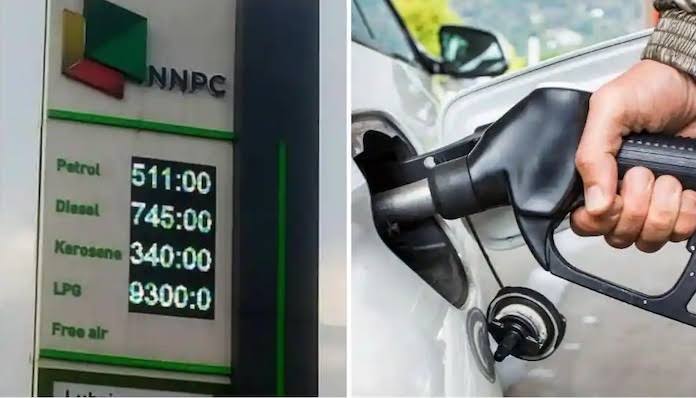
Petrol prices in Nigeria could decline to around N900 per litre if ongoing peace efforts between the United States and Iran lead to sustained reductions in global crude oil prices.
The projection follows recent developments in the Middle East, where diplomatic moves aimed at ending months of hostilities have contributed to a decline in international oil prices. Analysts say the easing tensions have boosted investor confidence, triggering a downward trend in crude prices.
Crude oil prices, which surged during the conflict amid concerns over disruptions to global supply, have fallen in recent days following reports of a ceasefire framework and plans to reopen the Strait of Hormuz — a critical route for global oil shipments.
Industry stakeholders believe the development could eventually translate into lower domestic fuel prices in Nigeria, given that crude oil remains the primary input in the production of refined petroleum products.
Market analysts noted that the prolonged Middle East crisis had pushed crude oil prices above $100 per barrel, with prices exceeding $120 per barrel at certain periods. The sharp rise significantly affected fuel costs worldwide, including in Nigeria.
During the period of heightened tensions, petrol prices in Nigeria reportedly increased from about N830 per litre to as high as N1,300 per litre. Diesel and aviation fuel prices also rose substantially, placing additional financial pressure on businesses and transportation operators.
There are growing expectations that local refiners, including the Dangote Petroleum Refinery, may review their pricing if the decline in crude oil prices is sustained. The refinery had earlier reduced its petrol loading price from N1,275 per litre to N1,250 per litre following previous declines in crude prices. Diesel prices were also adjusted downward during the same period.
A source familiar with operations at the refinery said further reductions remain possible if market conditions remain favourable. However, the source noted that crude oil purchased at earlier, higher prices is still being processed, which could delay immediate price cuts.
According to the source, petrol selling at approximately N900 per litre is achievable if global oil prices continue to decline and the market fully adjusts to the changing conditions.
Fuel marketers have also expressed optimism about the outlook. The Petroleum Retail Outlet Owners Association of Nigeria (PETROAN) said petrol prices could fall below N1,000 per litre if the Strait of Hormuz is fully reopened and crude oil prices return to pre-conflict levels.
The association recalled that Nigerians paid around N800 per litre before tensions escalated in the Middle East and believes prices could gradually trend toward that range if peace efforts succeed and market stability is maintained.
The optimism follows announcements by United States President Donald Trump indicating that a peace arrangement with Iran is being pursued, with the reopening of the Strait of Hormuz expected to form part of the broader agreement.
The reopening of the strategic waterway is expected to improve global oil supply flows and ease pressure on international energy markets.
Meanwhile, checks within Nigeria's downstream petroleum sector indicate that some fuel marketers have already begun adjusting their ex-depot prices below prevailing benchmarks, signalling the possibility of increased competition and potential relief for consumers in the coming weeks.