"One or Two Issues" Remain in High-Stakes Strait of Hormuz Talks
Iran war: Diplomat says only ‘one or two issues’ remain on Hormuz deal.
By EZINNE ·
ANGLE360 NEWS | LIVE UPDATES
Down to the Wire: Senior Diplomats Confirm Only "One or Two Issues" Remain in High-Stakes Strait of Hormuz Talks
By Ezinne Nwokwu
Published: August 5, 2026
Key Developments At-a-Glance
The Final Hurdle: International mediators and regional insiders report that negotiations between Tehran, Washington, and Omani intermediaries are down to just "one or two final issues" regarding the reopening of the Strait of Hormuz.
The Emerging Framework: The provisional 60-day renewable arrangement centers on establishing split inbound and outbound corridors, compliance mechanisms, and technical safety oversight.
Lingering Sticking Points: Disagreements persist over formal transit fees, regulatory enforcement authority, and the exact scope of Iranian administrative oversight versus international freedom of navigation principles.
Navigating the Final Obstacles in Muscat and Washington
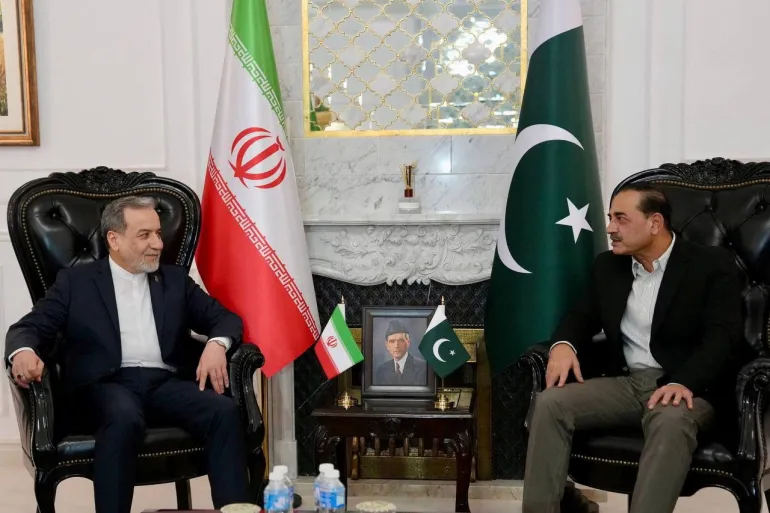
WASHINGTON / TEHRAN / MUSCAT; Intensive indirect negotiations aimed at resolving the maritime blockade in the Strait of Hormuz have entered their most critical phase, with diplomatic sources confirming that only a narrow set of hurdles remains before a provisional text can be finalized.
As U.S. and Omani delegations coordinate alongside Iranian Foreign Ministry channels, officials close to the discussions indicate that the architecture of a renewable 60-day temporary agreement is largely complete. The framework seeks to establish structured transit lanes separating inbound and outbound commercial traffic to lift the near-total standstill that has throttled global energy markets over recent months.
However, bridging the final gap requires ironing out sensitive technical and sovereignty clauses. While economic officials in Washington and regional capitals have expressed optimism that an accord could materialize imminently, negotiators continue to spar over enforcement mechanisms, security service fees, and the degree of monitoring authority granted to Tehran along primary shipping paths.
Balancing Concessions and Conditional Ceasefires
The push for a maritime resolution is tightly interwoven with broader strategic calculations. U.S. leadership has framed the potential reopening of the chokepoint as the crucial first phase of a broader diplomatic roadmap intended to eventually address regional security concerns and the long-running nuclear file.
Conversely, Iranian officials have sought to strictly compartmentalize the discussions, insisting that any maritime arrangement focus exclusively on operational security, sovereign transit rights, and the lifting of restrictions on domestic ports without conceding ground on wider strategic demands.
With diplomatic momentum hanging in the balance, international observers and shipping conglomerates remain on high alert, awaiting final sign-off from top leadership in Tehran and Washington as mediators race to close the remaining gaps.
Angle360 News will continue to provide live, verified updates as this developing story unfolds.