Oil Prices Rise Towards $90 a Barrel
Energy Markets on Edge: Global Oil Prices Surge Toward $90 a Barrel Amid Escalating US-Iran Tensions and Libyan Supply Threats.
By EZINNE ·
ANGLE360 NEWS | LIVE UPDATES
Energy Markets on Edge: Global Oil Prices Surge Toward $90 a Barrel Amid Escalating US-Iran Tensions and Libyan Supply Threats
By Ezinne Nwokwu
Published: August 12, 2026
Key Developments At-a-Glance
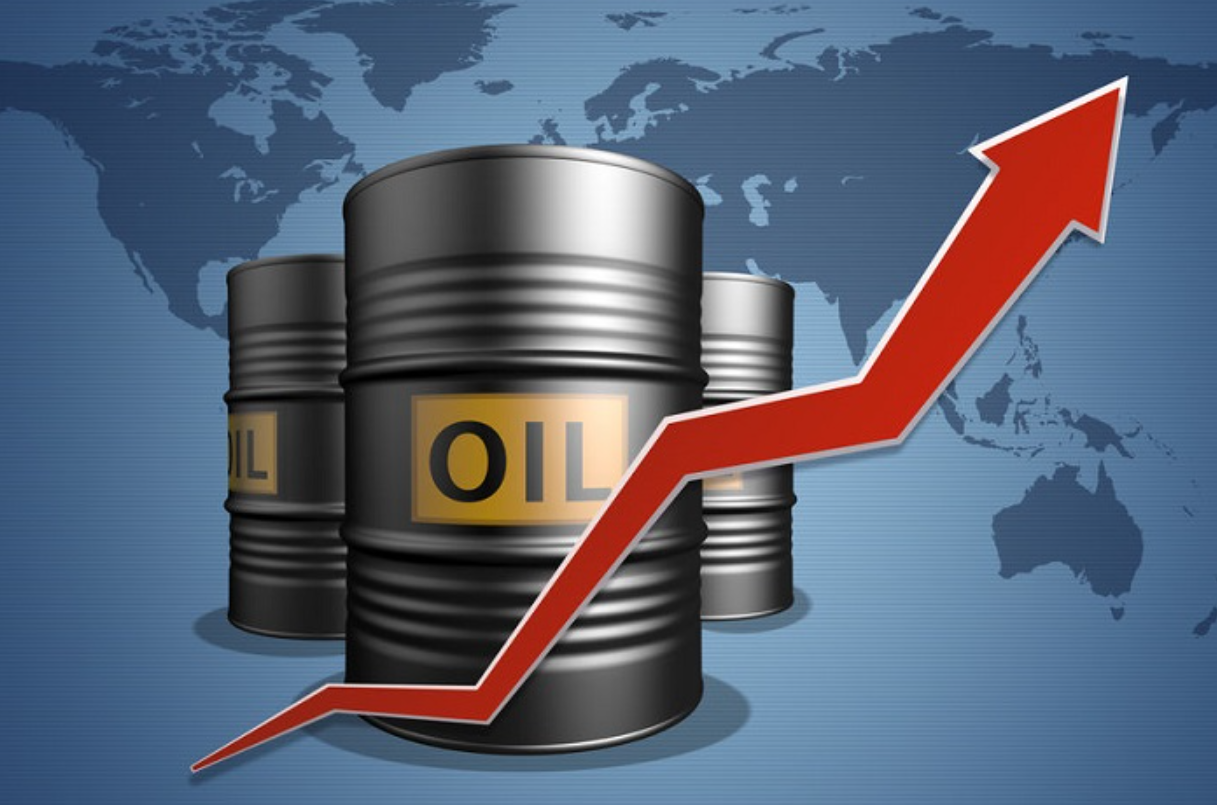
Price Rally: International benchmark Brent crude futures climbed toward $90 per barrel, rising 2.6% to trade at $90, while U.S. West Texas Intermediate (WTI) traded around $84.36, driven by geopolitical risk premiums.
US-Iran Diplomatic Deadlock: Prices jumped following remarks from U.S. President Donald Trump, who signaled that Washington could pursue a "massive escalation" if ongoing negotiations with Tehran fail, while simultaneously demanding sweeping reparations from Iran.
Libyan Supply Disruptions: Adding to global supply anxieties, repeated drone strikes targeted critical oil facilities in Libya, including a recent attack on a facility in the western city of Zawiya.
Declining Reserves: The market pressure is further compounded by shrinking U.S. emergency stockpiles and the protracted maritime disruptions within the Strait of Hormuz.
War Premiums Push Crude Toward $90 Benchmark
LONDON / NEW YORK — Global energy markets are experiencing renewed volatility this week, with crude oil prices surging toward the critical $90 per barrel threshold. The latest rally is heavily fueled by fading optimism regarding a diplomatic resolution to the ongoing U.S.-Iran conflict and sudden physical threats to North African oil infrastructure.
International benchmark Brent crude futures jumped significantly, testing the $90 mark after closing the previous session at $87.72, while U.S. benchmark WTI mirrored the upward trajectory, trading above $84. Market analysts attribute the sharp price spikes directly to the deteriorating geopolitical landscape in the Middle East, which threatens to indefinitely choke off the world’s most vital energy transit routes.
Trump Warns of "Massive Escalation"
The surge in crude prices closely followed statements from U.S. President Donald Trump, who cast deep doubt on the viability of current mediation efforts. When pressed by reporters on the next steps should indirect talks with Iran collapse, Trump warned that Washington retains the capability and willingness to launch a "massive escalation".
Adding to the diplomatic friction, the President declared that Tehran must compensate the United States for historical damages spanning the past 50 years—a demand that has effectively frozen progress on Omani-backed plans to reopen the Strait of Hormuz to commercial shipping. With the vital chokepoint remaining heavily restricted and U.S. emergency stockpiles shrinking, traders are pricing in the reality of a prolonged supply bottleneck.
Attacks on Libyan Infrastructure Compound the Crisis
While the Persian Gulf remains the primary driver of market anxiety, fresh disruptions in North Africa have intensified the global supply squeeze. A series of drone attacks have targeted vital oil infrastructure in Libya over recent days, raising alarms over the security of the country's output and export capacity.
Early Tuesday, a drone struck an oil facility in the western coastal city of Zawiya—marking the third such incident in the area since Sunday, which included a direct hit on a gasoline storage tank at the city's main oil depot.
With the confluence of Middle Eastern military escalation, North African infrastructure attacks, and tight emergency reserves, energy analysts warn that global crude markets may soon firmly establish a floor well above the $90 threshold as the geopolitical situation evolves.
Angle360 News will continue to provide live, verified updates as this developing story unfolds.