Nigerian Actor Ikechukwu Onunaku Weighs In on Recurring Lagos Floods: “Flooding Will Continue”
Nigerian actor Ikechukwu Onunaku said flooding in Lagos will continue because of excessive sand filling and weak regulatory systems.
By Godwin Adejor ·
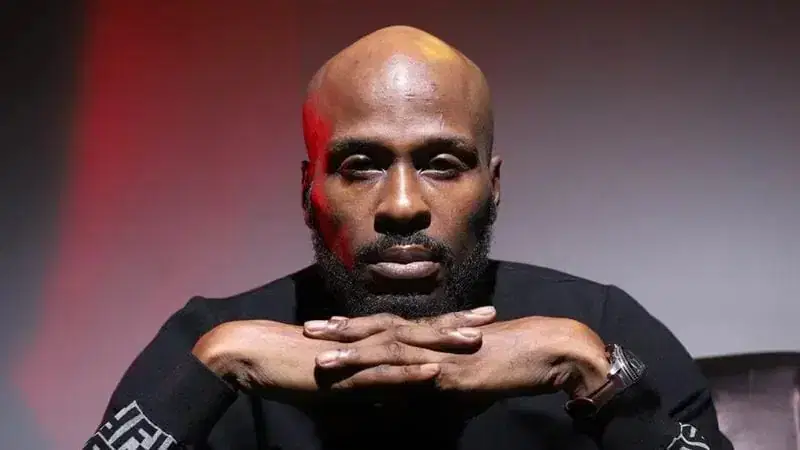
In the wake of devastating floods that have repeatedly submerged parts of Lagos State—disrupting lives, damaging property, and bringing the bustling metropolis to a standstill—veteran actor and rapper Ikechukwu Onunaku (popularly known as Ikechukwu or Killz) has shared his candid take on the crisis. The multi-talented entertainer, known for his roles in Nollywood films and his outspoken views, addressed the issue in a widely circulated video post, urging residents to move beyond shock and confront the root causes.
Lagos, Nigeria’s commercial hub, has faced intense flooding during the 2026 rainy season, with heavy downpours overwhelming drainage systems across areas like Gbagada, Lekki, Ikeja, Victoria Island, and others. Residents have reported submerged homes, stranded vehicles, disrupted businesses, and power outages. Government officials have attributed much of it to flash floods, rising lagoon levels, and blocked waterways, while calling for better waste management and infrastructure maintenance.
Social media has been flooded with videos of residents wading through waist-deep water, abandoned cars, and frustrated calls for accountability. Many blame poor urban planning, illegal sand-filling, blocked drains, and inadequate enforcement of environmental regulations.
In his post, Onunaku pushed back against the widespread surprise expressed by many Lagosians. According to reports and circulating clips:
“Everybody in Lagos keeps complaining about flood as if they are shocked. Flooding will continue in Lagos because of excessive sand filling and the lack of a proper regulatory system in the country.”
He also referenced the long history of flooding in places like Victoria Island, suggesting that the issue is systemic and predictable rather than an anomaly.
Onunaku’s comments highlight broader environmental and governance challenges: rapid urbanization, wetland loss, sand-filling for real estate, and weak enforcement of building and environmental laws. These factors reduce the city’s natural ability to absorb rainwater, turning heavy rains into disasters.
Ikechukwu Onunaku is no stranger to using his platform for social commentary. As an actor, musician, and public figure with a significant following, his intervention adds to voices from other celebrities—like Kunle Remi, who earlier blamed indiscriminate waste disposal—drawing attention to the human and environmental dimensions of the crisis.
His remarks have sparked mixed reactions online, with some applauding the blunt honesty and others debating the balance between citizen responsibility (e.g., waste management) and systemic failures (e.g., infrastructure and regulation).
Lagos State authorities continue desilting efforts, drainage projects, and public advisories, while agencies like NEMA have flagged multiple LGAs as flood-risk zones. Experts emphasize the need for integrated solutions: stronger regulations on development, restoration of natural buffers like wetlands, improved waste management, and climate-resilient infrastructure.
Onunaku’s post serves as a reminder that without addressing these underlying issues—excessive sand-filling, regulatory gaps, and poor planning—Lagosians may face more of the same in future rainy seasons. As the actor noted, the floods are not shocking; they are a foreseeable consequence demanding urgent, collective action from residents, developers, and government alike.