Mnangagwa’s 2030 Ambition Sparks Tensions Within Zimbabwe’s Power Structure
Mnangagwa’s 2030 Ambition Sparks Tensions Within Zimbabwe’s Power Structure
By Divine Macaulay ·
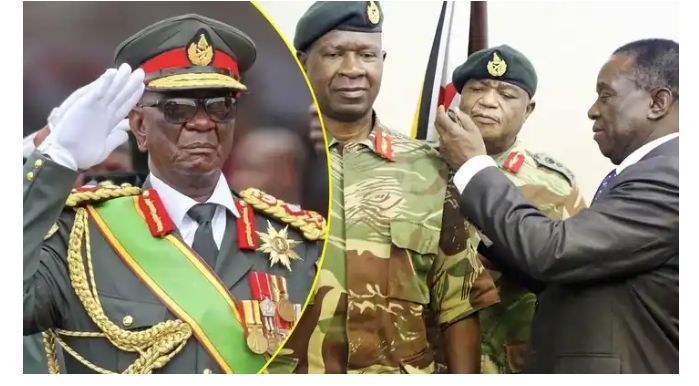
HARARE, Zimbabwe — Growing efforts within Zimbabwe’s ruling ZANU-PF party to extend President Emmerson Mnangagwa’s tenure beyond the constitutional two-term limit are fueling debate over the country’s political future and exposing divisions within influential state institutions.
At the centre of the controversy is the “ED2030” campaign, a political movement championed by some ruling party members who argue that Mnangagwa should remain in office until 2030 to complete his administration’s development agenda. The proposal gained momentum following resolutions adopted at ZANU-PF’s national conference in Mutare, where delegates endorsed calls for the president’s continued leadership beyond his current mandate.
However, the push has generated resistance from sections of the political establishment, constitutional experts, civil society groups and individuals believed to be aligned with Vice-President Constantino Chiwenga.
Constitutional Questions
Zimbabwe’s 2013 Constitution limits presidents to two five-year terms. Legal experts argue that any attempt to extend presidential term limits would face significant constitutional hurdles.
David Coltart, a lawyer and former constitutional negotiator, has maintained that Section 328 of the Constitution contains safeguards designed to prevent amendments that would directly benefit an incumbent president by extending term limits without public approval through a referendum.
Supporters of constitutional reform, however, contend that alternative legal mechanisms could be explored, including adjustments to the electoral calendar. Such proposals remain contentious and would likely face legal challenges if formally introduced.
Emerging Political Rivalries
Political analysts say the debate has also highlighted growing tensions between factions within ZANU-PF.
Vice-President Chiwenga, who played a pivotal role in the military intervention that led to the removal of former President Robert Mugabe in 2017, is widely viewed as a key figure in the party’s succession politics. Although he has not publicly declared opposition to the ED2030 campaign, observers note that some of his allies have expressed reservations about constitutional changes that could alter Zimbabwe’s leadership transition timetable.
The perceived rivalry has intensified speculation about the future balance of power within the ruling party as the 2028 election cycle approaches.
Security Sector Developments
Recent changes within Zimbabwe’s security establishment have further fueled political speculation.
President Mnangagwa has overseen a series of leadership changes affecting the military, police and intelligence services. Among the most notable was the retirement of former Zimbabwe National Army commander Lieutenant-General Anselem Sanyatwe, who was later appointed Minister of Sport, Recreation, Arts and Culture.
Other senior security officials have also exited key positions in recent years, prompting debate over whether the changes are part of routine restructuring or a broader effort to consolidate political control ahead of future succession battles.
Analysts warn that maintaining cohesion within the security sector remains crucial to preserving political stability, given the military’s historically influential role in Zimbabwean politics.
Economic Challenges
The political uncertainty comes as Zimbabwe continues to grapple with economic difficulties, including inflationary pressures, currency instability and high levels of poverty.
Critics argue that the focus on succession politics risks diverting attention from pressing economic and social challenges facing ordinary citizens. Concerns over unemployment, rising living costs and access to public services remain central issues for many Zimbabweans.
Religious leaders, civil society organisations and opposition groups have urged political leaders to prioritise governance and economic recovery rather than constitutional disputes.
Regional Implications
Observers note that developments in Zimbabwe are being closely monitored across Southern Africa. Any prolonged political instability could have implications for regional trade, investment and security, particularly within the framework of the Southern African Development Community (SADC).
For ZANU-PF, the debate represents a significant test of its ability to manage internal competition while maintaining party unity. Whether the ruling party ultimately pursues constitutional changes or adheres to the existing succession framework may shape Zimbabwe’s political trajectory for years to come.
As discussions over the ED2030 campaign continue, attention remains focused on how the government, ruling party and state institutions will navigate one of the most consequential political debates since the country’s 2017 transition.
This version adopts a balanced newspaper style, removes speculative language and unverified claims, and presents the issue as a political and constitutional debate rather than an established fact.