Maraji Urges Women to Embrace Natural Hair: “Why Do We Need Another Texture to Feel Beautiful?”
Popular Nigerian content creator Maraji is urging women to embrace their natural hair and stop relying on wigs to feel beautiful.
By Godwin Adejor ·
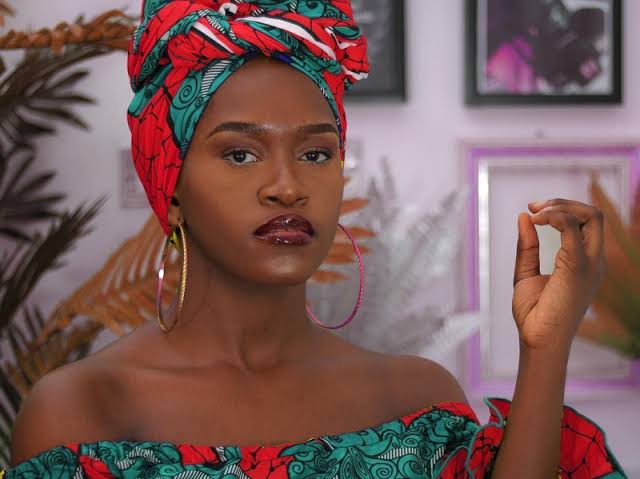
Popular Nigerian content creator and comedienne Gloria Oloruntobi, widely known as Maraji, has ignited a fresh conversation in the Black and African beauty community. In a recent video that quickly went viral, the mother of two and skit queen openly challenges women to rethink their relationship with wigs and weaves, encouraging them to celebrate their natural hair instead.
Born on February 6, 1997, in Edo State, Nigeria, Maraji graduated from Covenant University with a degree in International Relations. She rose to fame through lip-sync videos and hilarious skits on Instagram and YouTube, where she masterfully mimics accents, characters, and everyday Nigerian life. With hundreds of thousands of subscribers on her YouTube channel “Maraji’s World” and a massive social media following, she has become a relatable voice on topics ranging from motherhood and marriage to self-image and cultural issues.
Maraji is no stranger to the hair debate. In a 2023 video titled “WHY WE DO NOT LIKE OUR OWN HAIR,” she shared her personal journey of ditching wigs for over six months, opting for braids or her natural curls. She described how wearing wigs once felt like “apologizing” for her dark skin and curly hair texture.
In her latest clip, Maraji poses pointed questions: “Why do we feel like we need other people’s hair to feel pretty?” and “Why are we the only people who have to wear another texture of hair to feel beautiful?” She urges Black women to give their natural hair grace, time, and care—learning what products and styles work for their texture rather than defaulting to straight weaves or wigs.
She acknowledges practical reasons many women cite for wearing wigs—protective styling to shield fragile type 4 hair from breakage, convenience amid busy schedules (especially for mothers), and cultural acceptance in many African and diaspora communities. Yet she pushes back, arguing that heavy reliance on wigs can stem from deeper insecurities or societal pressures that undervalue natural Black hair textures.
Maraji emphasizes empowerment through self-acceptance: women with natural hair can look polished, attractive, and confident. She has balanced this in her own life, occasionally wearing affordable synthetic wigs or protective styles while advocating for healthier natural hair journeys.
Hair has long been a loaded topic for Black women. Historical and societal beauty standards—often favoring straighter, longer hair—have influenced choices for generations. Wigs and weaves offer versatility, protection, and quick styling, but critics like Maraji argue they sometimes mask a lack of appreciation for kinky, coily, or curly textures.
Her message arrives amid broader “natural hair movements” and discussions sparked by pastors, influencers, and everyday women debating attractiveness, marriage prospects, and professionalism. Maraji navigates this thoughtfully, recognizing that wigs aren’t inherently bad but questioning dependency on them for self-worth.
The video has sparked praise, debate, and personal stories online. Supporters applaud Maraji for promoting self-love and challenging Eurocentric standards. Others defend wigs as a personal choice for expression, low maintenance, or cultural styling. Many mothers and working women relate to the time-saving appeal.
As a public figure who shares her postpartum, PCOS, and family life candidly, Maraji’s words carry weight. She models balance—caring for natural hair while occasionally switching up styles—without shaming women who choose wigs.
Maraji isn’t demanding everyone go wig-free forever. Her core message is one of introspection: Examine why you reach for wigs. Is it protection, fun, or hiding? Give your natural hair a real chance—through trial, education, and patience. Black women’s hair is versatile, resilient, and beautiful in its natural state.
In a world quick to dictate beauty standards, voices like Maraji remind women they don’t need someone else’s hair to feel complete. Whether rocking a sleek bun, voluminous curls, braids, or the occasional wig, the confidence comes from within.