Kaduna CJ warns against using Police for debt recovery, pushes ADR
The Chief Judge of Kaduna State, Justice Muhammad Tukur Aliyu, has cautioned Nigerians against using the police to settle civil disputes, particularly debt recovery and breach of contract cases, insisting that such matters should be resolved through lawful civil procedures.
By Maryam Aminu ·
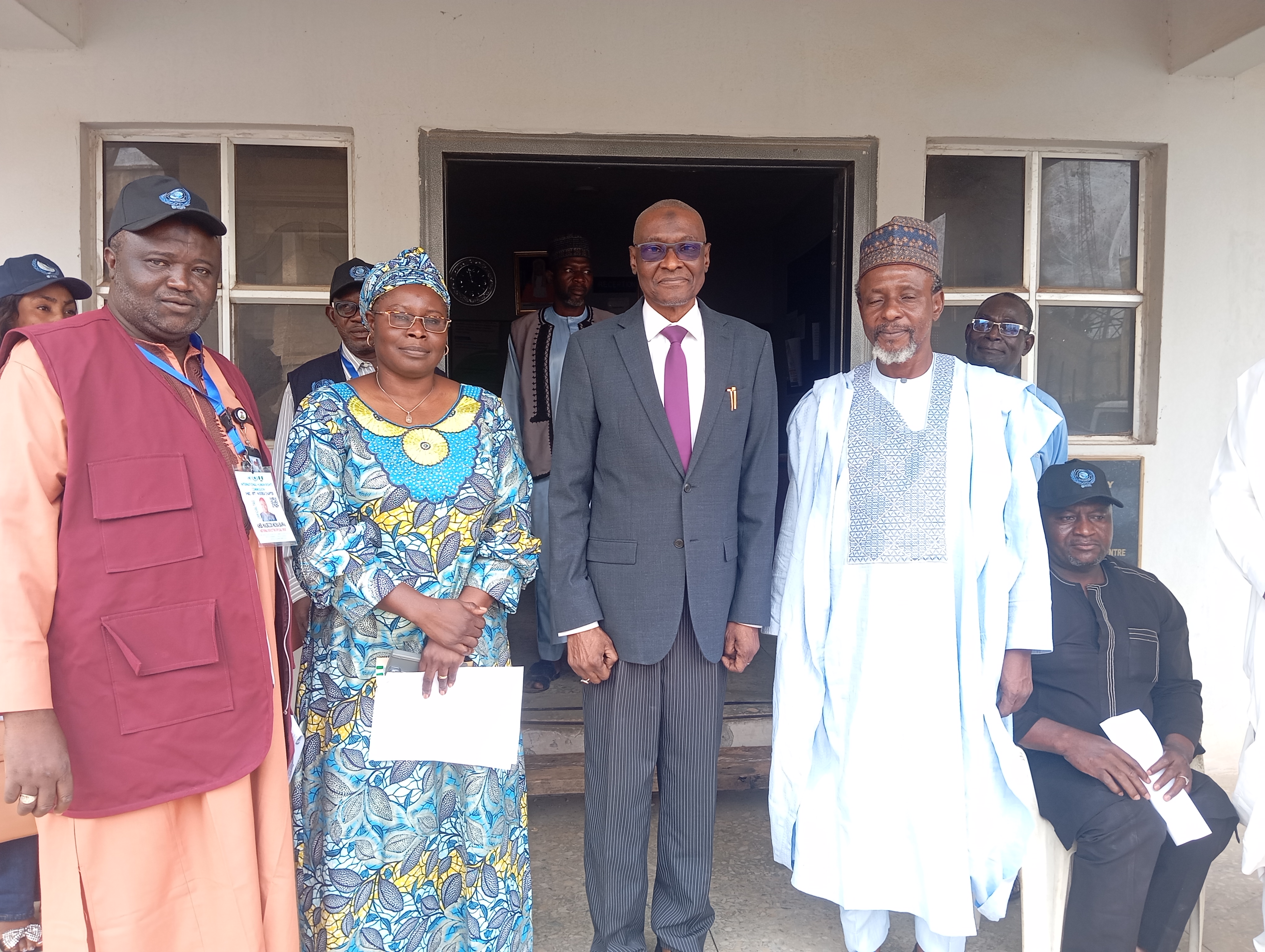
The Chief Judge of Kaduna State, Justice Muhammad Tukur Aliyu, has cautioned Nigerians against using the police to settle civil disputes, particularly debt recovery and breach of contract cases, insisting that such matters should be resolved through lawful civil procedures.
Aliyu gave the warning on Wednesday in Kaduna while receiving officials of the International Human Rights Commission (IHRC), Kaduna State Chapter, who paid him a courtesy visit.
He said the increasing tendency to involve security agencies in purely civil matters often resulted in violations of fundamental human rights and abuse of legal processes.
“Where there is a breach of agreement, it is not the duty of the police to recover debts or enforce contracts. The proper thing is to seek legal advice and approach the court where necessary,” he said.
According to the chief judge, resorting to the police in civil disputes could lead to unlawful detention and infringement on the rights of citizens.
Aliyu reaffirmed the judiciary’s commitment to safeguarding fundamental human rights, noting that courts in the state remained vigilant in addressing cases involving unlawful detention and other rights violations.
The chief judge also stressed the importance of Alternative Dispute Resolution (ADR) mechanisms in promoting quick, affordable and amicable settlement of disputes.
He said the Kaduna State Judiciary had continued to strengthen the Kaduna Multi-Door Courthouse ADR Centre to ease the burden on conventional courts and improve access to justice.
“Litigation can be slow and sometimes damages relationships between parties. ADR offers a more flexible and peaceful approach that encourages dialogue and mutual understanding,” he said.
Aliyu noted that both Islamic and Christian teachings encouraged reconciliation and peaceful settlement of disputes, adding that ADR provided an avenue for parties to resolve disagreements without prolonged court battles.
He explained that mediators in ADR proceedings merely facilitate discussions, while disputing parties retain control over the outcome of the settlement process.
The chief judge described ADR as one of the most effective tools for reducing court congestion and ensuring timely resolution of disputes.
Earlier, the Kaduna State Director of the International Human Rights Commission, Ambassador Maikudi Bawa, commended the judiciary for its efforts in advancing justice delivery and promoting peaceful conflict resolution.
Bawa particularly praised Aliyu’s leadership of the state’s ADR initiative, describing the Kaduna Multi-Door Courthouse as a model institution that had enhanced access to justice through efficient and affordable dispute resolution services.
He said Kaduna had emerged as one of the leading centres for ADR practice in Nigeria and expressed the commission’s readiness to partner with the judiciary in the areas of human rights advocacy, mediation, peacebuilding and public enlightenment.