June 12 Protest: Falana, Civil Society Groups Mobilise Nigerians Over Insecurity and Economic Hardship
June 12 Protest: Falana, Civil Society Groups Mobilise Nigerians Over Insecurity and Economic Hardship
By Divine Macaulay ·
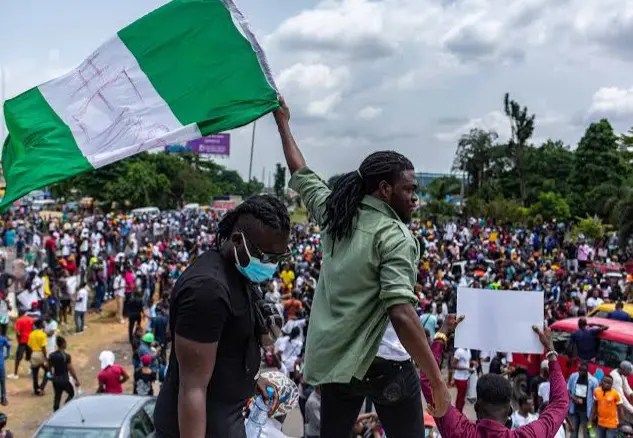
A coalition of civil society organisations led by human rights lawyer and Senior Advocate of Nigeria (SAN), Femi Falana, has announced plans for a nationwide protest on June 12, citing rising insecurity, worsening economic hardship, and declining living standards across the country.
The protest, scheduled to coincide with Nigeria's Democracy Day celebration, is being organised by 16 civil society groups, including trade unions, youth organisations, social movements, and faith-based groups.
June 12 was designated by the Federal Government as Democracy Day in honour of Chief MKO Abiola, widely regarded as the winner of the annulled June 12, 1993 presidential election. However, the organisers argue that prevailing security and economic challenges have left many Nigerians with little reason to celebrate.
In a joint statement signed by Falana in his capacity as National Chairman of the Alliance on Surviving COVID-19 and Beyond (ASCAB), Hassan Taiwo Soweto of the Lagos State #EndBadGovernance Movement, and Yinka Folarin, National President of the Committee for the Defence of Human Rights (CDHR), the coalition expressed concern over what it described as the growing wave of insecurity across the country.
The groups said many communities continue to suffer from banditry, terrorism, kidnappings, and other violent crimes, alleging that government efforts to address the situation have not yielded sufficient results.
The statement read: "Innocent Nigerians are being killed, abducted, displaced and traumatised while government responses have remained largely inadequate and ineffective. We express solidarity with families of victims of terrorism, banditry and kidnapping across the country."
The coalition called on the Federal Government to intensify efforts to secure the release of individuals reportedly held captive by criminal groups in states including Oyo, Borno, Katsina, Kwara, Ekiti, Zamfara, Kaduna, and Niger.
The organisers also criticised the country's economic situation, attributing rising hardship to policies implemented under President Bola Tinubu's administration. According to them, the removal of fuel subsidy, exchange rate reforms, and increased electricity tariffs have contributed to soaring inflation, higher living costs, and mounting pressure on small businesses and households.
Describing the June 12 demonstration as the beginning of a broader campaign for social and economic reforms, the coalition urged Nigerians from all walks of life—including workers, students, market traders, professionals, and unemployed youths—to participate peacefully in the planned protest.
According to the organisers, the protest seeks to draw attention to the need for improved security, policies that address the cost-of-living crisis, and governance that prioritises the welfare of citizens.
"This protest is about the lives of our children and teachers in captivity. It is about the collective survival of ordinary Nigerians," the statement added.
The coalition further called on civil society organisations and other groups to unite in advocating for the release of abducted persons and policies aimed at alleviating poverty and improving living conditions nationwide.
The planned demonstration comes amid increasing public concern over insecurity and economic challenges facing many Nigerians.