Iyabo Ojo’s Fierce Defense of Her Daughter
Iyabo Ojo is extremely protective of her daughter Priscilla because she herself survived being raped five times.
By Godwin Adejor ·
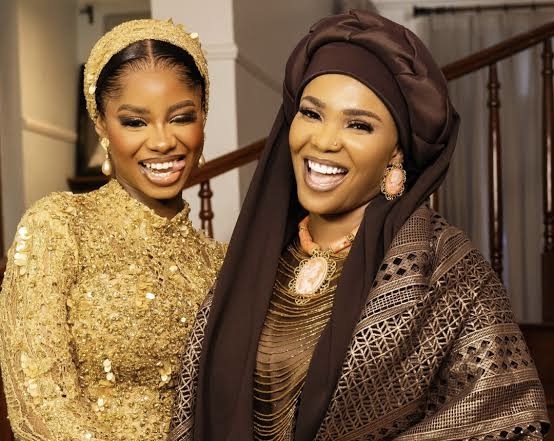
Nollywood actress and producer Iyabo Ojo has long been recognized for her outspoken nature, but few aspects of her public image are as consistent or as deeply rooted as her protectiveness toward children, especially her own daughter, Priscilla Ojo. That protectiveness is not vague; it is shaped by her personal experiences as a survivor of rape, which she has spoken about publicly on multiple occasions.
Ojo has stated she was raped five times, with the first incident happening when she was 14. She described staying silent at the time due to the stigma and fear of blame that often surrounds survivors in Nigerian society. One of the later assaults, she said, occurred after she was married and already a mother, when armed robbers invaded her family’s home in Ikeja. These experiences, she explained in interviews, left lasting pain but also a resolve to speak out so others wouldn’t feel alone or silenced.
This personal history has clearly influenced her parenting and advocacy. Ojo has two children, Priscilla and Festus. When controversies involving the sexual abuse of minors have come up in the industry—most notably the 2021 case involving actor Baba Ijesha and a 14-year-old—Ojo was among the most vocal demanding accountability. She supported the victim and the comedienne who brought the case forward, attended court sessions, and publicly rejected attempts to downplay or quietly settle the case. She said her reaction was intensified by her own history: having endured similar violations multiple times, she felt that silence and protecting perpetrators had gone on long enough.
Her stance emphasizes principle over personal relationships. Ojo has stated she would confront even her own son if he were a rape apologist or offender, describing herself as unapologetic in opposing sexual violence against children and women. Regarding Baba Ijesha, when the actor later referenced having once been trusted with her children years earlier, Ojo responded sharply. She warned him against using her children’s names as “cheap bait,” clarified they had always been under proper adult supervision, and reiterated that the victim in the case was a minor and that sexual assault is a crime. She made it clear she was ready to involve lawyers if the references continued.
This protectiveness extends to everyday maternal decisions as well. Ojo has spoken about deliberately setting aside personal differences with her ex-husband so her daughter’s father could walk her down the aisle at her wedding, prioritizing her daughter’s happiness and breaking cycles of family fracture she experienced herself. She has described paying a personal price to ensure her children succeed and feel secure. Simultaneously, she has pushed back against portrayals of herself as merely “strict,” framing her firmness as purposeful guidance based on her hard-won understanding of the world’s dangers.
Iyabo Ojo’s public record reflects a woman who does not separate her survival from her motherhood or her advocacy. Having endured repeated sexual violence, she has chosen visibility over silence and applies that same refusal to look away when other children, including those outside her family, are at risk.
Her protectiveness toward Priscilla is therefore not just maternal instinct; it is a practical expression of a survivor’s resolve that no child under her watch, or within her influence, should endure what she did. In an industry and society that often prefer quiet compromise on such issues, Ojo’s consistent stance has made her both a target of criticism and a prominent voice for accountability.