Israel rejects U.S Board of Peace Framework.
Israel unconvinced by US Board of Peace plan for Gaza.
By EZINNE ·
ANGLE360 NEWS | LIVE UPDATES
Strategic Rift: Prime Minister Netanyahu Publicly Rejects U.S. Board of Peace Framework for Gaza, Demanding Prior Disarmament
By Ezinne Nwokwu
Published: August 12, 2026
Key Developments At-a-Glance
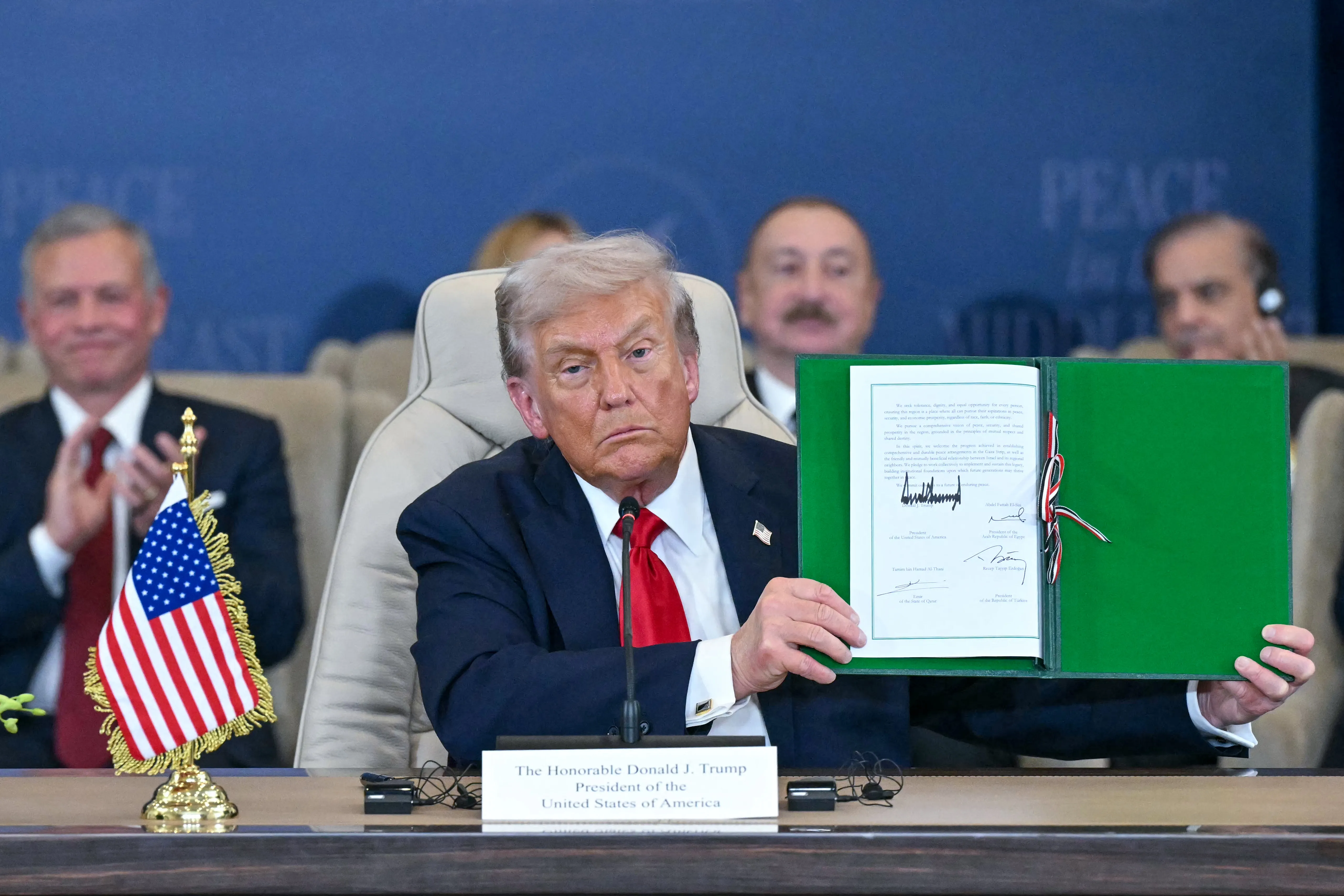
The Official Rejection: Israeli Prime Minister Benjamin Netanyahu formally announced that Israel rejects the U.S.-backed, 15-point Board of Peace document outlining phased troop withdrawals and governance transition.
The Core Stance: Netanyahu insisted that the Israel Defense Forces (IDF) will not execute any military withdrawal from the Gaza Strip until Hamas is completely and genuinely disarmed.
Political and Diplomatic Strain: The open pushback marks a rare direct public friction point between Jerusalem and Washington's transitional framework as regional mediators attempt to salvage the stalled second-phase roadmap.
Jerusalem Draws a Hard Line on Phased Pullbacks
JERUSALEM / WASHINGTON ; The fragile diplomatic architecture underpinning postwar Gaza faced its most severe test yet as Israeli Prime Minister Benjamin Netanyahu explicitly rejected the latest 15-point proposal advanced by the international Board of Peace.
Speaking during a cabinet meeting, Netanyahu stated flatly that Israel formally opposes the framework, which envisions staged Israeli troop withdrawals tied to the sequential disarmament of militant factions and the empowerment of an independent technocratic administration.
"Israel rejects the 15-point document," Netanyahu declared, emphasizing that the military will maintain its operational footprint across the enclave. "We will not make any withdrawal until Hamas is truly disarmed and will continue to thwart threats against our forces and citizens."
The rejection comes in direct response to parameters championed by U.S. leadership, which sought to implement staged security handovers alongside an internationally supervised buyback and demilitarization program. Netanyahu countered that Israel views staggered pullbacks as a security risk, maintaining that total and verifiable decommissioning must precede any discussion of territorial relinquishment.
Navigating the Diplomatic Fallout
The public divergence has immediately reverberated across international mediation channels. While U.S. officials and regional partners have sought to present the transitional roadmap as the most viable path toward permanent stabilization and reconstruction, domestic political pressures within Israel have hardened the government's posture.
Netanyahu acknowledged that bilateral talks with Washington remain ongoing, noting that American interlocutors have tabled various operational concepts. "They have ideas, some of which are acceptable to us and some of which are unacceptable to us, and we know how to stand up to those things," he told cabinet members.
Meanwhile, representatives for Hamas have asserted that the movement remains committed to the sequencing previously outlined by international mediators, setting the stage for renewed friction as international architects scramble to bridge the chasm between Jerusalem's strict security demands and the Board of Peace's transitional framework.
Angle360 News will continue to provide live, verified updates as this developing story unfolds.