Experts seek stronger family, community support for nursing mothers
Health experts and maternal health advocates have called for stronger support from families, employers and community leaders to enable mothers practise exclusive breastfeeding, saying the involvement of fathers and relatives is critical to improving child survival.
By Maryam Aminu ·
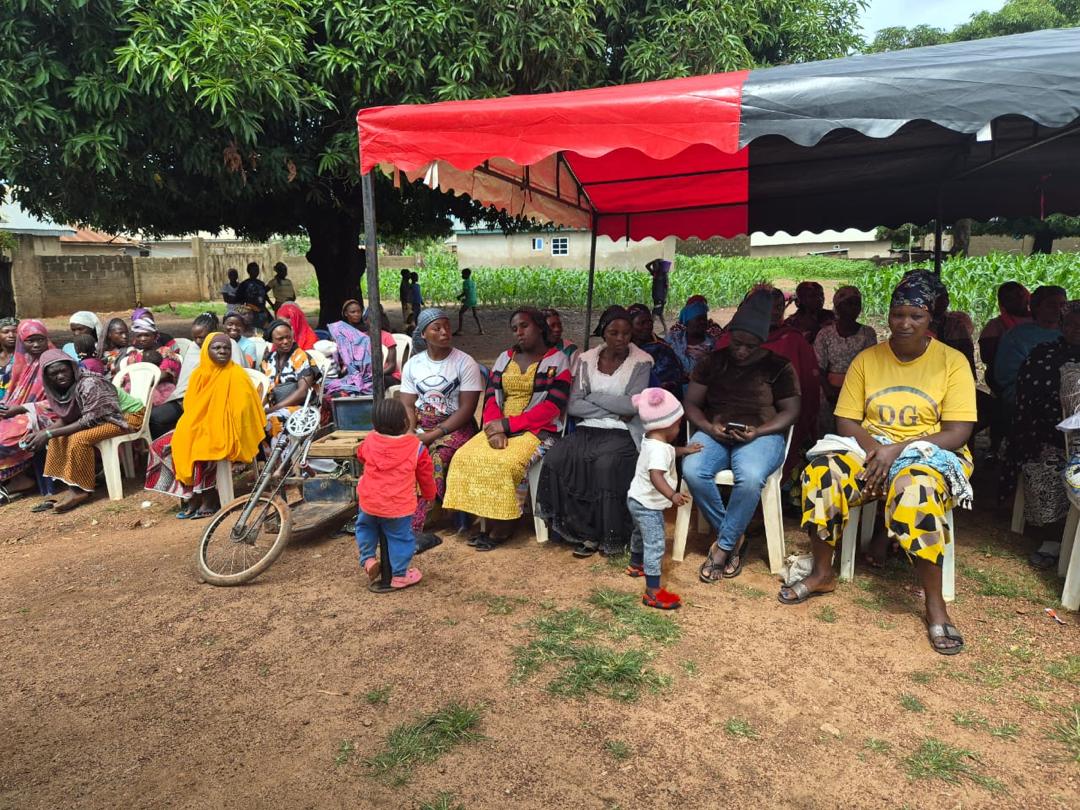
Health experts and maternal health advocates have called for stronger support from families, employers and community leaders to enable mothers practise exclusive breastfeeding, saying the involvement of fathers and relatives is critical to improving child survival.
The call was made during a community sensitisation programme organised by the Al-Manar Women Association (AMWA), the Faith and Cultural Champions (FCC) Project and the Medical Women Association of Nigeria (MWAN) in Maraban Rido, Chikun Local Government Area of Kaduna State, to commemorate the 2026 World Breastfeeding Week.
The campaign, with the theme, "Breastfeeding for a Sustainable Start in Life: Strengthening What Works," focused on raising awareness about the health benefits of exclusive breastfeeding for mothers and children.
Speaking at the event, a paediatrician with Ahmadu Bello University Teaching Hospital (ABUTH), Zaria, Dr Fatima Abdullahi, said exclusive breastfeeding during the first six months of life remained one of the most effective ways of ensuring healthy growth and development in children.
She explained that babies who are exclusively breastfed have a lower risk of contracting diarrhoea, pneumonia, allergies and other childhood illnesses, while mothers also benefit from reduced risks of postpartum bleeding as well as breast and endometrial cancers.
Abdullahi encouraged mothers to initiate breastfeeding within one hour of delivery, attend antenatal clinics regularly and deliver in health facilities to improve maternal and child health outcomes.
She also urged nursing mothers to maintain good nutrition, avoid harmful substances and seek medical attention whenever they fall ill.
The paediatrician called on governments and employers to adopt more breastfeeding-friendly policies, including six months paid maternity leave, workplace crèches and designated breastfeeding breaks for nursing mothers.
She stressed that the success of exclusive breastfeeding depends largely on the support mothers receive from their husbands and other family members.
"Breastfeeding is not the responsibility of the mother alone. Families, especially fathers, have important roles to play by providing emotional support, helping with household responsibilities and ensuring mothers receive adequate nutrition," she said.
Also speaking, the Project Manager of the Faith and Cultural Champions Project, Hajiya Rabiatu Sodangi, said the community outreach was organised to deepen public understanding of the importance of breastfeeding as part of efforts to reduce maternal and infant mortality.
She said the project works through faith and community leaders because of their influence in promoting positive health practices at the grassroots.
According to her, the intervention is currently being implemented in six local government areas of Kaduna State.
Suleiman urged mothers to practise exclusive breastfeeding for the first six months and continue breastfeeding alongside appropriate complementary feeding until the child is two years old.
In his remarks, FCC Consultant, Joro Adam, emphasised the need to involve fathers more actively in breastfeeding campaigns, noting that their encouragement could significantly improve breastfeeding practices at home.
He appealed to men to participate in future awareness programmes to better understand how they can support nursing mothers.
The event featured health education sessions, practical demonstrations on breastfeeding techniques and interactive discussions with participants.