Ex-DSS Chief: Ransom Payments Deepened Nigeria’s Insecurity
Ex-DSS Chief: Ransom Payments Deepened Nigeria’s Insecurity
By Divine Macaulay ·
Amachree made the claims in his newly released book, DSS@40: My Journey Behind the Shield, where he reflects on four decades in intelligence service and examines the country's evolving security challenges.
Former Director of the Department of State Services (DSS), Dennis Amachree, has argued that Nigeria's worsening insecurity during the administration of late former President Muhammadu Buhari was exacerbated by weak policy responses and the alleged payment of ransom to criminal groups.
Amachree made the claims in his newly released book, DSS@40: My Journey Behind the Shield, where he reflects on four decades in intelligence service and examines the country's evolving security challenges.
According to the former intelligence chief, the expansion of insurgency, banditry and kidnapping during the Buhari administration exposed structural weaknesses in Nigeria's security architecture and highlighted the need for more decisive, intelligence-driven responses.
He contended that insecurity spread across several parts of the country as attacks intensified, leaving many communities vulnerable and eroding public confidence in the government's ability to protect lives and property.
"The period of the Muhammadu Buhari administration is viewed as a critical time when security threats metastasized, and government indifference became palpable," Amachree wrote.
He argued that despite Buhari's military background, the government was widely perceived as failing to respond effectively to the growing threats, creating a sense of abandonment among citizens.
Amachree also criticized some of Buhari's public remarks, including comments describing Nigerian youths as "lazy," saying they further alienated young people at a time of widespread unemployment and economic hardship.
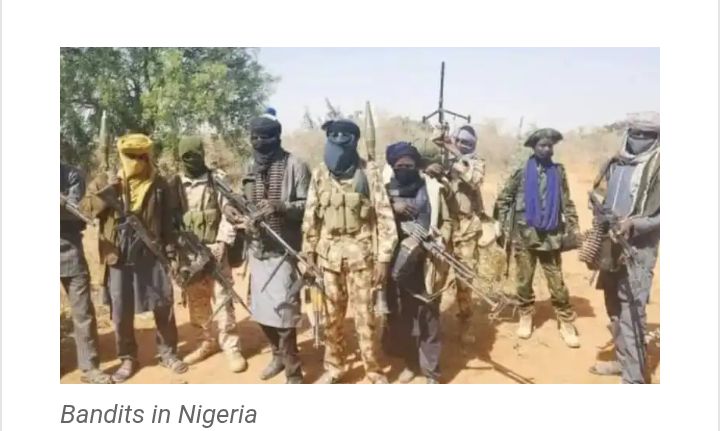
A major concern raised in the book is the alleged payment of ransom to secure the release of kidnapped victims. According to Amachree, such payments strengthened criminal networks and created financial incentives for more kidnappings.
He claimed that official denials of ransom payments weakened public trust, particularly after some bandit leaders publicly alleged that negotiations had taken place.
Rather than viewing insecurity through ethnic or regional divisions, Amachree urged Nigerians to examine the role of political leadership in addressing the crisis.
He argued that the country's political elite had too often placed personal interests above national security, making sustainable peace more difficult to achieve.
"The true impediment to peace and stability is the political class, which refuses to allow citizens to pursue their daily lives in a stable environment," he wrote, adding that worsening insecurity and economic hardship demanded responsible leadership and long-term reforms.
Throughout his presidency, Buhari consistently defended his administration's record on security, insisting that the military and other security agencies were intensifying operations against terrorists, bandits and kidnappers.
In 2021, the former president rejected claims that his government was soft on criminal groups, saying security forces had been directed to confront them decisively.
He also repeatedly assured Nigerians that terrorism, banditry and kidnapping would ultimately be defeated under his administration.
Amachree's account adds to ongoing debates about the policies and strategies adopted during one of Nigeria's most challenging periods of insecurity, while renewing calls for reforms that prioritize intelligence gathering, accountability and coordinated security operations over reactive measures.