Enforcing the Chokepoint: Tehran Asserts Strict Operational Control.
Enforcing the Chokepoint: Tehran Asserts Strict Operational Control Over Maritime Traffic in the Strait of Hormuz
By EZINNE ·
ANGLE360 NEWS | LIVE UPDATES
Enforcing the Chokepoint: Tehran Asserts Strict Operational Control Over Maritime Traffic in the Strait of Hormuz
By Ezinne Nwokwu
Published: July 31, 2026
Key Developments At-a-Glance
The Enforcement Mechanism: Iran has implemented an ad hoc regulatory system requiring commercial vessels to obtain prior authorization, use designated shipping lanes, and coordinate directly with Iranian authorities before entering the Persian Gulf.
Selective Access: While shipping is restricted or blocked for nations and entities deemed hostile, Tehran has permitted vessels from allied and compliant states such as China, Russia, India, and Pakistan to transit under strict security protocols.
International Backlash: The stringent enforcement has brought commercial traffic through the vital global energy corridor to a near-standstill, drawing heavy condemnation from the UN International Maritime Organization (IMO) and Western coalition navies.
Asserting Sovereignty Over Global Energy Lifelines
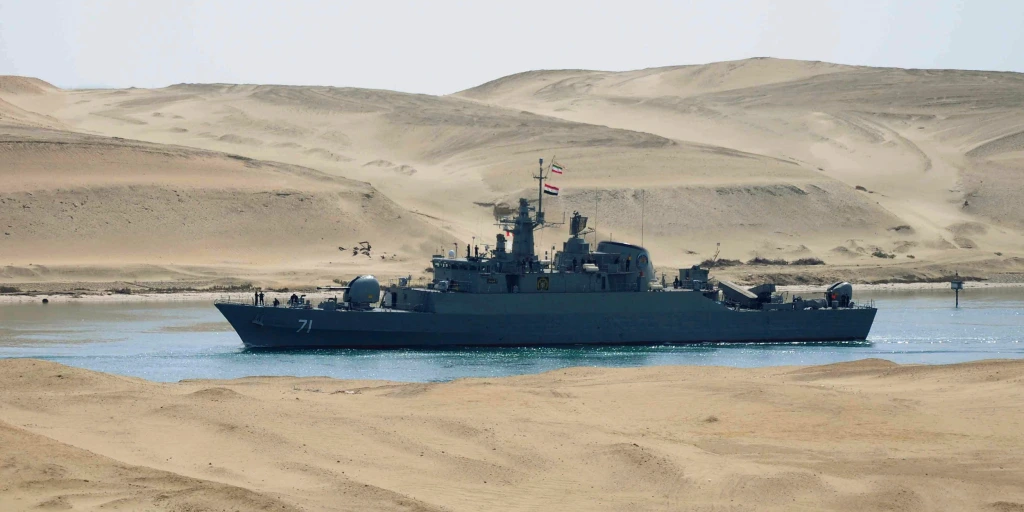
TEHRAN / WASHINGTON , Amid the ongoing regional conflict, Tehran has solidified its enforcement of strict transit regulations across the Strait of Hormuz, effectively positioning itself as the sole authority dictating which commercial ships can enter and exit the Persian Gulf.
Following months of escalating military friction and counter-blockades, Iran's naval command and security authorities established a mandatory oversight framework. Under the current system, all cargo vessels, oil tankers, and bulk carriers are instructed to seek electronic permits, abandon traditional international transit routes in favor of Iranian-monitored corridors, and submit to compliance checks.
While state officials maintain that the measures are a legitimate exercise of sovereign maritime security, major shipping firms and international monitors report that failure to comply risks direct military interception, missile strikes, or seizure.
Navigating the Chokepoint: Allies and Exclusions
The impact of Tehran's maritime directives has fractured international shipping lanes. Reports from regional trade ministries indicate that while vessels flagged by Western nations or those suspected of breaking security protocols face absolute prohibitions and active deterrence, specific exemptions have been carved out.
Tehran has outlined conditional pathways for commercial vessels originating from or linked to allied regional partners including China, Russia, India, and Pakistan provided they adhere strictly to security guidelines and avoid supporting adversarial military operations. Simultaneously, proposals to institutionalize formal financial transit fees or tolls for safe passage continue to move through legislative channels, turning the waterway into a primary arena of strategic and economic leverage.
The International Maritime Organization (IMO) and allied naval coalitions have strongly pushed back against the restrictions, warning that the unilateral imposition of transit rules threatens global energy security and leaves thousands of seafarers vulnerable in an active zone of conflict.
Angle360 News will continue to provide live, verified updates as this developing story unfolds.