Ecuador Security against Cartels.
On the Front Line: Ecuador’s Security Forces Wage an Up-Hill War Against Cartels, High-Powered Arsenals, and Institutional Corruption
By EZINNE ·
ANGLE360 NEWS | LIVE UPDATES
On the Front Line: Ecuador’s Security Forces Wage an Up-Hill War Against Cartels, High-Powered Arsenals, and Institutional Corruption
By Ezinne Nwokwu
Published: July 28, 2026
Key Developments At-a-Glance
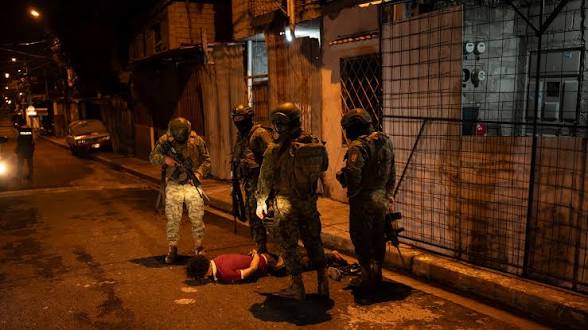
The Ground Reality: Ecuadorian national police and military forces remain locked in a violent, high-stakes campaign against heavily armed drug cartels controlling key transit hubs.
Internal Infiltration: Deep-seated corruption continues to undermine state operations, highlighted by recent internal scandals involving leaked tactical intelligence, extortion, and missing asset inventories from police warehouses.
The Broader Conflict: Operating under an extended "internal armed conflict" framework, authorities are struggling to balance aggressive militarized tactics with the severe systemic challenges posed by transnational trafficking.
Inside the Battlegrounds of Ecuador’s Narco-Conflict
GUAYAQUIL , Once regarded as a peaceful haven nestled between South America's primary cocaine-producing nations, Ecuador continues to grapple with the brutal realities of a nationwide narcotics war. On the front lines, local law enforcement units face an entrenched network of hyper-violent gangs equipped with military-grade weaponry and massive financial resources.
Under the administration's sweeping security framework, joint patrols of police and soldiers have become a ubiquitous presence in coastal cities like Guayaquil and major port infrastructure zones. However, officers operating on the ground report that fighting heavily armed factions is only half the battle. The compounding weight of internal corruption continues to fracture institutional integrity from within.
Recent investigative reports have exposed vulnerabilities at every level of the security apparatus. From active-duty personnel leaking intelligence to trafficking rings to high-profile incidents involving stolen drug seizures from official evidence lockers, the systemic reach of organized crime presents an immense obstacle to restoring public trust.
Navigating Institutional Reform Amid High Violence
While the government has funneled extensive resources into expanding police powers and deploying the armed forces, human rights organizations and security analysts emphasize that tactical crackdowns alone cannot resolve the crisis. Chronic institutional vulnerabilities, low public confidence, and the sheer profitability of international drug routes mean that enforcement units are constantly tested.
For the officers on the ground, daily operations involve navigating volatile urban neighborhoods where cartel influence runs deep. As regional and international cooperation remains critical to choking off cross-border arms and drug flows, the ultimate success of Ecuador’s security strategy hinges on genuine structural reform and the elimination of internal corruption.
Angle360 News will continue to provide live, verified updates as this developing story unfolds.