ECOWAS Targets 2027 Launch of ECO Single Currency
ECOWAS Targets 2027 Launch of ECO Single Currency
By Divine Macaulay ·
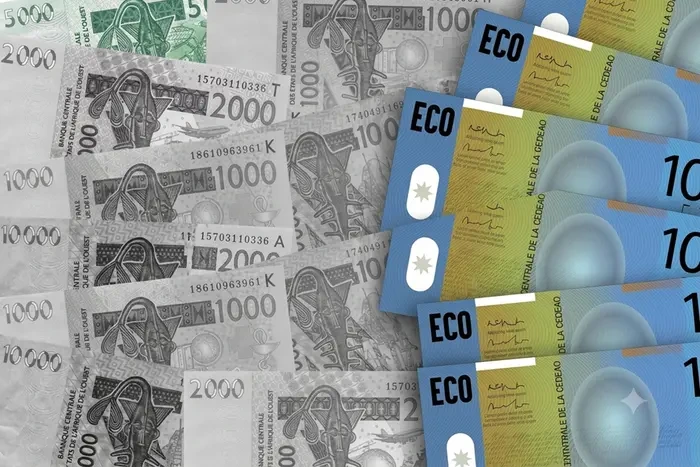
The proposed monetary union covers all ECOWAS member states—Nigeria, Ghana, Senegal, Côte d'Ivoire, Liberia, Sierra Leone, The Gambia, Guinea, Benin, Togo, Cabo Verde, Guinea-Bissau, Mali, Burkina Faso and Niger.
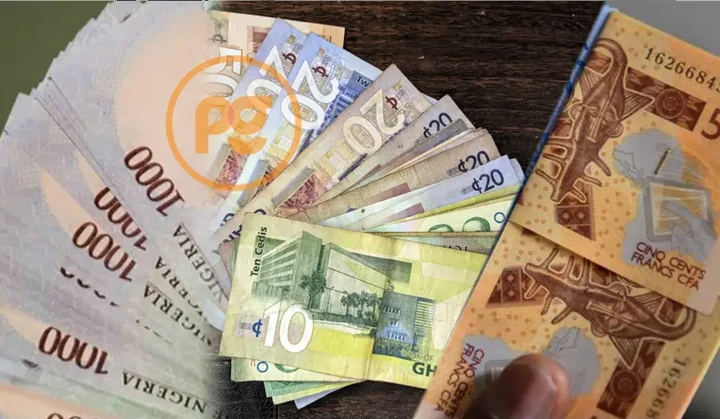
ECOWAS has reaffirmed its commitment to launching the long-delayed ECO single currency in 2027, marking a fresh push towards deeper economic integration across West Africa. However, the regional bloc has clarified that member states, including Nigeria and Ghana, will only adopt the common currency after meeting strict economic conditions.
The proposed ECO is a flagship ECOWAS initiative designed to facilitate cross-border trade, lower transaction costs and strengthen economic cooperation among the bloc's 15 member states by reducing reliance on multiple national currencies.
The renewed commitment to the 2027 timeline comes as central bank governors and economic policymakers continue work on the technical, legal and institutional frameworks required for the currency's introduction.
Despite the target date, the launch will not automatically result in the replacement of the naira, cedi or other national currencies. Rather, participation will be phased, with only countries that satisfy agreed macroeconomic convergence criteria joining the first stage of implementation.
The conditions include maintaining low inflation, fiscal discipline, exchange rate stability and other key economic benchmarks considered essential for a successful monetary union.
The ECO project has been under discussion for more than two decades but has suffered repeated delays as many member states struggled to meet the convergence requirements amid economic and fiscal challenges.
ECOWAS maintains that a single currency would remove barriers to regional commerce, enhance price transparency, reduce foreign exchange costs and create a more integrated West African market.
The proposed monetary union covers all ECOWAS member states—Nigeria, Ghana, Senegal, Côte d'Ivoire, Liberia, Sierra Leone, The Gambia, Guinea, Benin, Togo, Cabo Verde, Guinea-Bissau, Mali, Burkina Faso and Niger.
For Nigerians, the renewed 2027 target does not signal the immediate end of the naira. Neither the Nigerian government, the Central Bank of Nigeria nor ECOWAS has announced plans for an automatic replacement of the country's national currency.
If successfully implemented, the ECO is expected to become one of the continent's most ambitious economic integration projects, with the potential to boost intra-regional trade and strengthen West Africa's collective economic competitiveness.