Cuba's Iconic Classic Cars Grind to a Halt as Deepening Fuel Crisis Hits Transport Network
Cuba's Iconic Classic Cars Grind to a Halt as Deepening Fuel Crisis Hits Transport Network
By Divine Macaulay ·
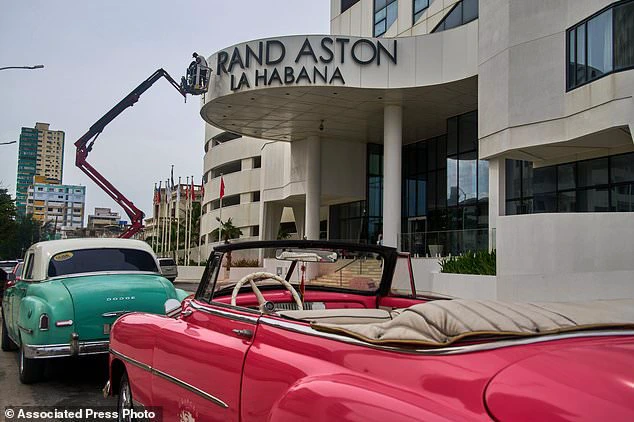
Cuba's iconic vintage American cars, known locally as almendrones, are increasingly being forced off the roads as a worsening fuel shortage disrupts transportation across the island and deepens economic hardship for ordinary citizens.
The classic vehicles, which have long served as shared taxis and symbols of Cuban resilience and ingenuity, are among the latest casualties of a fuel crisis that has gripped the country since January. Cuban authorities attribute the shortages to what they describe as a U.S. energy blockade that has restricted the nation's access to imported fuel.
In Las Minas, a community on the outskirts of Havana, 27-year-old auto body technician Diriel Valdez is restoring a 1951 Chevrolet Deluxe. While the burgundy vehicle remains mechanically sound, obtaining gasoline to operate it has become an increasingly difficult challenge.
Valdez is one of thousands of Cubans relying on a government reservation application designed to manage fuel distribution. However, lengthy waiting lists have made the system a source of frustration for many residents.
"I signed up in February, and I'm still around number 2,800 on the list," Valdez said. The reward for waiting would be just 20 litres (5.3 gallons) of gasoline — enough, he noted, for a short trip to the beach.
The term almendrón, derived from the Spanish word for almond, refers to the rounded shape of the large American automobiles imported before Cuba's 1959 Revolution. Over decades of sanctions, limited imports and chronic shortages, Cuban mechanics have kept these vehicles running through extraordinary improvisation — rebuilding bodies, swapping engines and sourcing replacement parts wherever possible.
For many families, the classic cars carry deep personal significance.
"These cars are passed down from generation to generation," said 30-year-old taxi driver Leonardo Daniel González as he drove a friend's brightly coloured 1948 Chevrolet Fleetmaster through Havana during a recent blackout. "I had one that belonged to my great-grandfather. It went from him to my grandfather, then to my father, and then to me."
Cuba is currently experiencing one of its most severe energy crises in recent years. Residents already struggling with economic difficulties and persistent shortages now contend with daily power outages lasting up to 20 hours in some parts of the country.
The island produces only about 40 per cent of the fuel it consumes, making it heavily dependent on imports to sustain electricity generation and transportation services.
Since January, the administration of U.S. President Donald Trump has intensified sanctions against Cuba as part of its broader pressure campaign against the communist government. The administration has also threatened tariffs on countries involved in selling or transporting oil to Cuba, complicating Havana's efforts to secure fuel supplies. Reports indicate that only one Russian oil tanker has delivered fuel to Cuba during this period.
For Valdez, the fuel shortages have also undermined his livelihood. Having learned auto body repair from his stepfather, he has worked on classic cars since the age of 13.
"People don't want to undertake major repairs anymore," he said. "Many have their cars parked because they don't have much hope that they'll be back on the roads the way they used to be."
As official fuel supplies dwindle, many motorists have turned to the black market, where gasoline is more readily available but significantly more expensive, with prices reportedly reaching as high as $8 per litre.
According to Omar Everleny Pérez, a former economist at the University of Havana's Center of Cuban Economic Studies, almendrones remain essential to Cuba's transportation system because newer vehicles are unaffordable for most citizens.
"They've been vital to the transportation of ordinary Cubans," Pérez said. "Not only in Havana but throughout the country."
Although newer vehicles have become available in recent years, their prices remain beyond the reach of most state-sector workers. As a result, Cuba's iconic vintage automobiles continue to play a critical role in daily life.
At the same time, signs of a changing transportation landscape are beginning to emerge. Electric motorcycles imported from China are becoming increasingly common, while small electric vehicles are appearing on Cuban streets alongside a growing network of solar-powered charging stations promoted by the government as part of its renewable energy strategy.
For now, however, the country's beloved almendrones remain both a symbol of Cuba's resourcefulness and a reminder of the mounting challenges facing its transportation sector amid a deepening fuel crisis.