Chidimma Adetshina: Born in South Africa, Targeted by Xenophobia and Bureaucracy
Chidimma Adetshina, born in South Africa, says she has been treated unfairly and targeted because of xenophobia and questions about her Nigerian heritage.
By Godwin Adejor ·
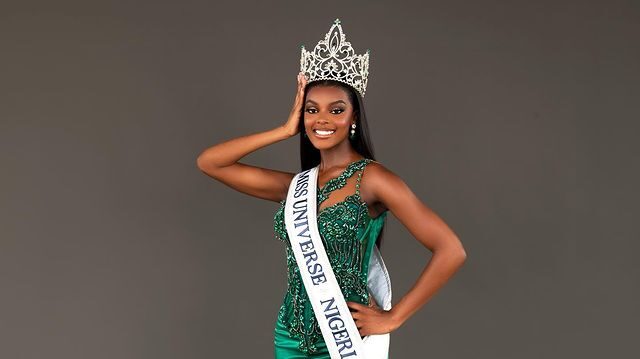
Chidimma Vanessa Onwe Adetshina was born in Soweto, South Africa, on January 8, 2001. She grew up in Cape Town, studied law, and considered the country her home. Her father is Nigerian (of Igbo descent), and her mother is of Mozambican origin. For most of her life, she held South African identity documents and lived as a citizen. That status collapsed under intense public scrutiny and official action once she entered the Miss South Africa 2024 pageant.
When Adetshina reached the Top 16 of Miss South Africa 2024, online abuse erupted. Critics focused on her Nigerian surname and heritage rather than her birthplace or documented status. Politicians amplified the hostility. Culture Minister Gayton McKenzie questioned whether “Nigerians” should compete. Petitions demanded her removal. Threats followed. Organizers asked Home Affairs to investigate. Preliminary findings alleged that her mother, Anabela Rungo, may have used a stolen South African identity to register Adetshina’s birth decades earlier, when Adetshina was an infant. Home Affairs itself stated she could not have participated in any alleged fraud.
Facing safety concerns for herself and her family, Adetshina withdrew. The message was clear: being born in South Africa and holding its documents was insufficient once public opinion and political pressure turned against her Nigerian roots. She later described the episode as rooted in xenophobia and misinformation.
Adetshina left for Nigeria, where organizers invited her to compete. She won Miss Universe Nigeria 2024, represented the country at Miss Universe 2024 in Mexico, finished as the first runner-up (Nigeria’s highest placement), and was named Miss Universe Africa and Oceania. She returned to the international stage on her own terms after being driven out of the South African contest.
In late 2024, South African authorities canceled her identity and travel documents. She was declared a prohibited person, barred from visas or permits. Home Affairs maintained that her status derived from the “poisoned tree” of her mother’s alleged fraud. Adetshina has consistently argued she was a child with no knowledge of or involvement in any irregularity, that she and her young son had been treated as citizens their entire lives, and that the decision was unfair, unreasonable, and irrational. She has pursued legal channels to have her status verified, insisting she was born in South Africa and applied through proper processes.
In June 2026, she was arrested in Cape Town and accused of residing unlawfully and of having re-entered the country illegally. Released on warning, she faced deportation proceedings. Anti-migrant groups, including Operation Dudula, protested outside court, chanting for her to “go home.” On August 19, 2026, the Cape Town Regional Court postponed the matter until February 2027, pending a High Court review of the decision to strip her status. Outside court, Adetshina stated she had been “treated unfairly and targeted” and that authorities appeared to be making an example of her. She called for the rule of law and the spirit of Ubuntu to prevail over xenophobia and misinformation, while reaffirming her confidence in the courts and reminding the public she was born in South Africa.
Adetshina was an infant when the alleged identity irregularities occurred. Officials acknowledged she could not have been involved. Yet she lost her documents, was barred from regularizing her status, arrested, and subjected to public calls for deportation while her case remains unresolved. The sequence began with a beauty pageant and a wave of anti-Nigerian sentiment, not with any personal criminal finding against her. Her son faces the same loss of recognized status. She has described the process as a systematic stripping of every status she and her child held, turning them into “de facto illegal foreigners” in the only country they have known as home.
South African law does not automatically confer citizenship by birth alone, and the state has a legitimate interest in investigating fraud. At the same time, pursuing a person born and raised in the country, who was a minor at the time of any alleged parental wrongdoing, through high-profile cancellation, prohibition, arrest, and deportation proceedings, amid open xenophobic mobilization, raises serious questions of fairness, proportionality, and equal treatment. Adetshina’s public statements emphasize that she seeks the determination of her status through legal channels, not confrontation, and that prejudice should not dictate outcomes.
Her case has become a high-profile test of how South Africa balances immigration control with the rights of people born on its soil and the principle that children should not automatically bear the full consequences of alleged parental irregularities. As the High Court and Regional Court processes continue into 2027, the central facts remain: she was born in Soweto, raised in South Africa, competed as a South African until public and official pressure forced her out, and continues to argue that the subsequent treatment has been targeted and unfair.