Board of Peace Affirms "Full Independence" for Technocratic Palestinian Committee.
Administrative Autonomy: Board of Peace Affirms "Full Independence" for Technocratic Palestinian Committee Governing Gaza.
By EZINNE ·
ANGLE360 NEWS | LIVE UPDATES
Administrative Autonomy: Board of Peace Affirms "Full Independence" for Technocratic Palestinian Committee Governing Gaza
By Ezinne Nwokwu
Published: July 31, 2026
Key Developments At-a-Glance
Operational Autonomy: The international Board of Peace has issued fresh clarifications emphasizing that the National Committee for the Administration of Gaza (NCAG) will retain functional independence in administering daily civilian affairs.
Apolitical Mandate: Headed by Chief Commissioner Dr. Ali Shaath, the 15-member body is structured strictly as a transitional, technocratic administration designed to decouple public service delivery from factional politics.
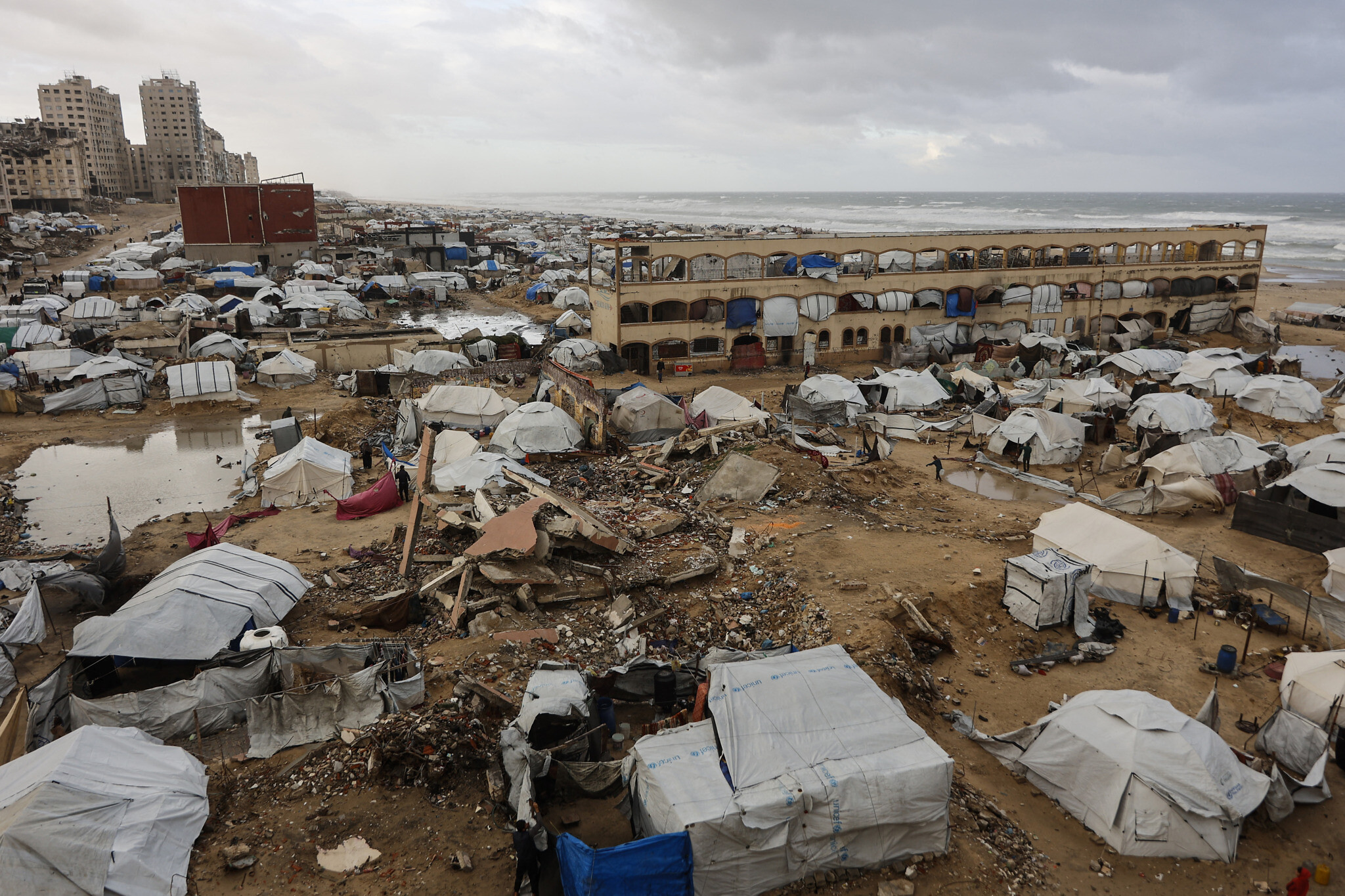
Focus on Reconstruction: With recent administrative shifts including the formal dissolution of prior local emergency committees the technocratic team is pushing forward with international donor frameworks for rubble clearance, infrastructure repair, and economic recovery.
Striking a Balance Between Oversight and Local Administration
CAIRO / GAZA — As the transitional framework for postwar Gaza continues to take shape, representatives associated with the international Board of Peace have underscored that the Palestinian technocratic committee charged with day-to-day governance will operate with full administrative independence over civic portfolios.
The National Committee for the Administration of Gaza (NCAG) operating under mandates outlined via international transitional guidelines was established to steer municipal services, healthcare, education, and economic rebuilding. While the overarching framework is supervised by the multi-national Board of Peace, recent diplomatic discussions have sought to guarantee that local technocrats maintain unhindered operational control over civilian sectors without direct political interference from external parties or entrenched factions.
Dr. Ali Shaath, Chief Commissioner of the NCAG, has consistently framed the committee's mission as strictly service-oriented. Recent steps such as structural coordination with international donors at recent recovery conferences and the winding down of parallel local governance bodies are intended to streamline aid delivery and fast-track essential civil repairs.
Navigating Complex Realities on the Ground
Despite guarantees of administrative independence, the committee faces a demanding operational landscape. While structural portfolios ranging from health and agriculture to digital services are managed entirely by independent Palestinian specialists, the committee continues to navigate complex logistical hurdles regarding freedom of movement, border access, and security coordination across the enclave.
Proponents of the technocratic model argue that preserving the committee’s apolitical character is essential to restoring basic dignity, reviving commerce, and ensuring that international reconstruction funds are channeled transparently directly to the civilian population.
Angle360 News will continue to provide live, verified updates as this developing story unfolds.