Bloody Civilian Opens Up: Struggles as a Musician from Northern Nigeria and Her Message to Parents
Bloody Civilian shares her challenges growing up as a female musician in conservative Northern Nigeria.
By Godwin Adejor ·
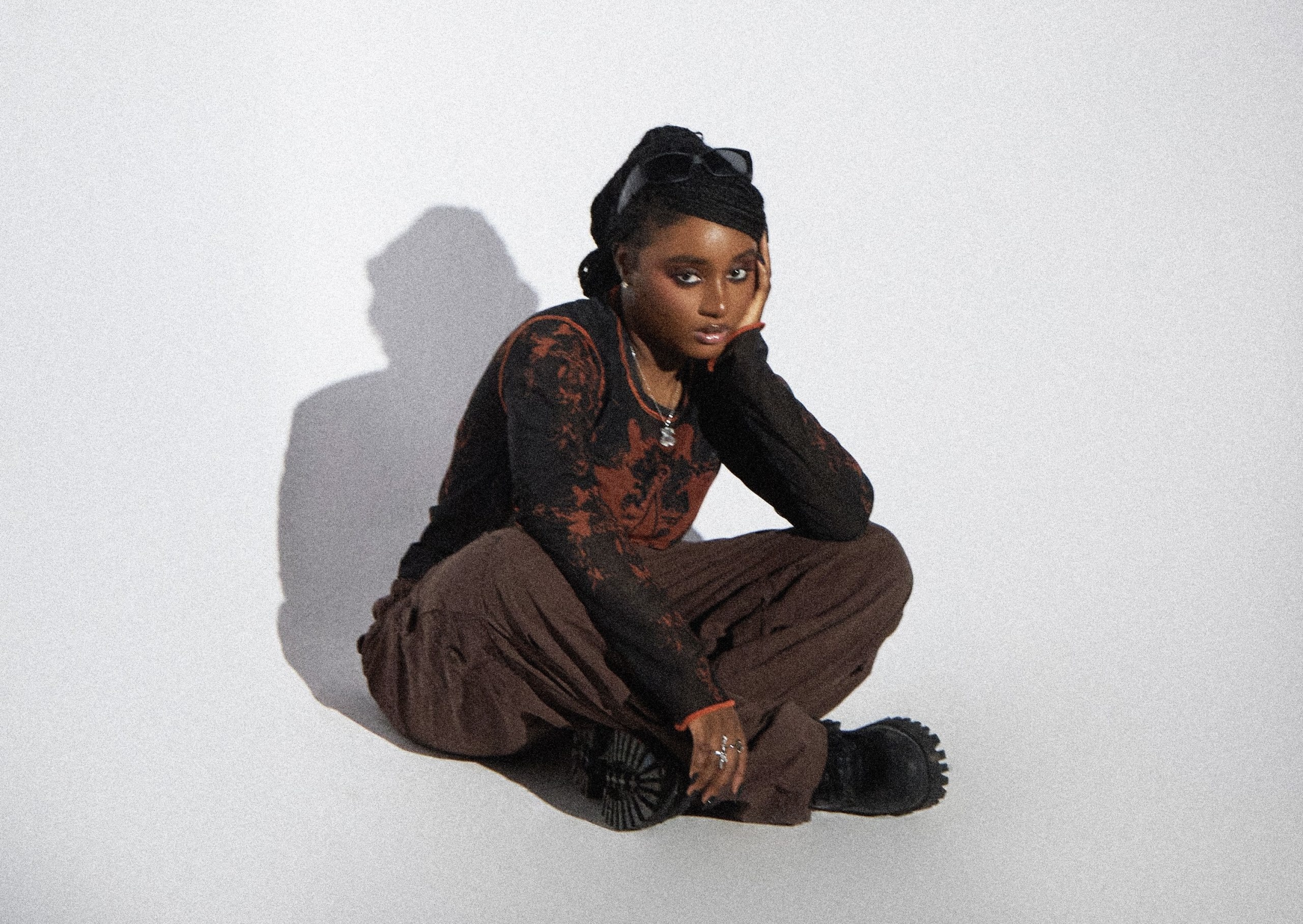
Emoseh Khamofu, better known by her stage name Bloody Civilian, has emerged as one of Nigeria’s most compelling voices in Afrobeats, R&B, and genre-blending sounds. Signed to 0207 Def Jam, the singer, songwriter, and producer from Taraba State has contributed to major projects like the Black Panther: Wakanda Foreversoundtrack (“Wake Up” with Rema) and built a reputation for raw, introspective music. Yet her journey from the conservative North to Lagos stardom was far from smooth.
In interviews, Bloody Civilian has candidly shared the challenges of pursuing music in a region where creative paths, especially for young women, often clash with traditional expectations. Growing up between Kaduna, Jos, and Abuja in a conservative environment, she faced restrictions on movement and societal scrutiny. Her family’s background—her mother a doctor, her father a civil engineer with a past in music—provided some foundation, but music was initially viewed as a hobby rather than a viable career.
Bloody Civilian’s stage name itself reflects the harsh realities of her upbringing. It draws from the derogatory term “bloody civilian,” used by military personnel in the North to demean ordinary people amid violence, unrest, Boko Haram attacks, and banditry. Her ancestral villages were affected—one destroyed, another recently attacked—forcing displacements and instilling a deep awareness of conflict.
As a teen, she performed original songs and played guitar in school talent shows, taught herself production around age 12, and made beats for school rappers. Yet being a female artist or producer in the North was often equated with something disreputable, like “prostitution” in the eyes of some community members. Nosy relatives (“aunties”), late-night shows, and pressure to conform created constant hurdles. She has described rebellion as a survival mechanism and being labeled the “problem child” at home.
In her debut EP Anger Management, tracks like “Family Meeting” capture these frustrations—intrusive family expectations, gender roles, and the emotional toll of defying norms. She has spoken about fighting for basic leniences that her brothers didn’t need, experiencing trauma, and nearly slipping into escapism through substances before channeling it into art. Moving to Lagos was a bold, almost urgent step to chase opportunities in the music industry’s hub.
Initial parental support was passive or mixed. While her father encouraged music study and they listened to her early songs, financial backing came later as successes mounted (church feedback, small wins). Beat-making was especially hard for them to understand at first. She hustled as a “serial entrepreneur,” renting equipment and selling items to fund her gear.
Bloody Civilian’s story highlights a broader message for parents in the North (and across Nigeria) raising talented children, particularly daughters with unconventional dreams. From her experiences, key pieces of implicit and explicit advice emerge:
• Recognize talent early and nurture it seriously: Music wasn’t just a hobby for her; it started at age 8 with songs written for her parents. Her father’s musical background helped, but many parents dismiss creative passions in favor of “stable” fields like engineering or medicine. She notes that small validations (listening critically, attending shows) build confidence.
• Provide practical support, not just passive approval: Emotional backing is vital, but financial or logistical help (equipment, sessions, safe transport) can prevent young artists from struggling alone. She had to fight for opportunities and later saw parents step in more as results appeared. Early investment can shorten the “solo job” phase.
• Challenge rigid gender and cultural expectations: In conservative Northern settings, women face extra scrutiny around marriage, movement, and career choices. Bloody Civilian has publicly stated that family still pushes traditional milestones like marriage, which she’s not prioritizing amid her career focus. Parents should allow space for children to define their paths without constant pressure to conform.
• Create safe spaces for expression: Her home offered music exposure (reggae, soul, African folk), but societal “aunties” and community judgment added stress. Parents can shield against stigma and encourage creativity as a positive outlet rather than rebellion.
• Understand the industry’s realities: Moving to Lagos or pursuing gigs involves risks, but dismissing dreams can lead to unfulfilled potential or hidden struggles. Bloody Civilian emphasizes resilience forged through hurdles, but proactive support helps talents “take off” faster and healthier.
She has expressed a desire to pave the way for those after her, tired of being a “first” in various spaces. Her music addresses misogyny, social issues, mental health, and Northern realities with authenticity that resonates widely.
Bloody Civilian’s rise—from self-taught producer in Abuja to international collaborator—proves that talent from the North can thrive globally when given room to grow. Her struggles underscore systemic challenges: insecurity, conservatism, and limited support for creatives. Yet they also showcase resilience and the power of reclaiming narratives, much like her stage name.
For Northern parents, her journey is a call to action: Support your children’s gifts before the world does—or before they have to leave home to chase them. In a region rich with culture but burdened by hardship, nurturing the next generation of artists, producers, and storytellers could be transformative.
As Bloody Civilian continues evolving her sound (recent releases blend house, Fuji, and more), her story reminds us that behind the bold persona is a young woman who turned pain into purpose—and urges families to help their kids do the same.