Artist Cheque Weighs In on the “Olodo Uprising”
Artist Cheque defended young content creators in the “Olodo Uprising” debate, saying that putting down honest hustlers is a sign of bitterness.
By Godwin Adejor ·
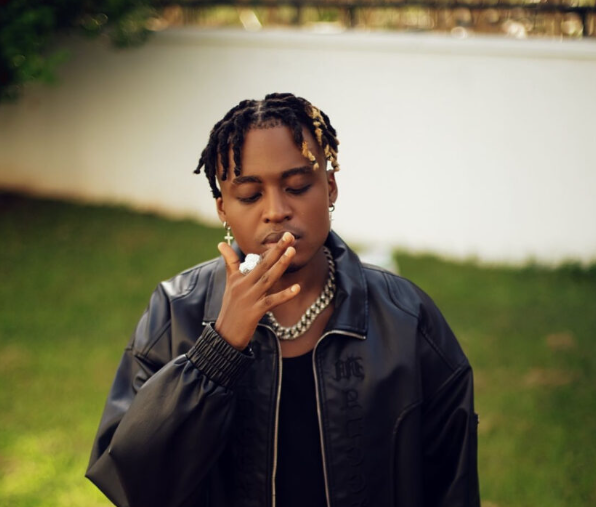
Nigerian singer and rapper Cheque (popularly known as Superboy Cheque) has added his voice to the ongoing national conversation surrounding the “Olodo Uprising,” a term that has dominated headlines and social media discourse since rapper YCee coined it on a podcast. In a recent interview with media personality Nedu, Cheque offered a passionate defense of content creators and young hustlers, framing the debate as potentially rooted in bitterness rather than constructive criticism.
The phrase “Olodo Uprising” emerged after YCee expressed concerns about what he sees as a cultural shift in Nigeria. He argued that society is moving away from celebrating academic excellence and intellectual depth toward rewarding performative ignorance, viral antics, and unrefined content — exemplified by the massive success of streamers and influencers like Peller. YCee described it as evolving from “Yahoo culture” to “Peller culture,” sparking backlash, defenses, and widespread debate about education, success, and values in the digital age.
During his sit-down with Nedu, Cheque didn’t shy away from the controversy. He pushed back against what he perceives as unnecessary attacks on individuals carving out success through unconventional means. “Anybody who puts down honest hustlers is bitter,” the Zoom hitmaker reportedly stated, emphasizing that many of these creators are simply navigating a tough economic reality where traditional paths like formal education don’t always guarantee financial stability.
Cheque further argued that repeatedly labeling someone’s approach as “stupid” or ignorant reflects poorly on the critic. “Calling someone ‘Olodo Uprising’ is an insult. If you think someone is doing something stupid and keep saying it’s stupid, it means you’re being stupid too,” he remarked, urging a more empathetic and less elitist perspective on different hustle strategies.
His comments align with a broader wave of support for digital creators who argue that in a country with high youth unemployment and systemic challenges, innovative online hustles represent legitimate adaptation rather than a celebration of mediocrity.
Cheque’s intervention carries weight given his background. Signed to Phyno’s Penthauze Music after being discovered via Instagram freestyles, the artist (born Bamidele Brett Akinbi) rose through a mix of talent, resilience, and strategic moves in the competitive Afrobeats scene. Having faced personal challenges, including severe acne that nearly derailed his career, he brings a perspective of empathy for those grinding outside conventional systems.
Cheque’s remarks add to a growing list of celebrity opinions on the topic. While some, like YCee, highlight the risks of anti-intellectualism, others — including Cheque — stress the need to acknowledge economic realities and avoid gatekeeping success. The conversation has evolved into a larger reflection on Nigeria’s education system, job market, reward structures, and the power of social media algorithms.
As the “Olodo Uprising” debate continues to rage across podcasts, social platforms, and traditional media, Cheque’s contribution underscores a key divide: Is this an uprising against intellectualism, or a necessary evolution of hustle in a changing Nigeria? For Cheque, the priority seems clear — celebrate the grind, regardless of the path.