Africa Zero Waste Academy Trains New Climate Leaders
Africa Zero Waste Academy Trains New Climate Leaders
By Divine Macaulay ·
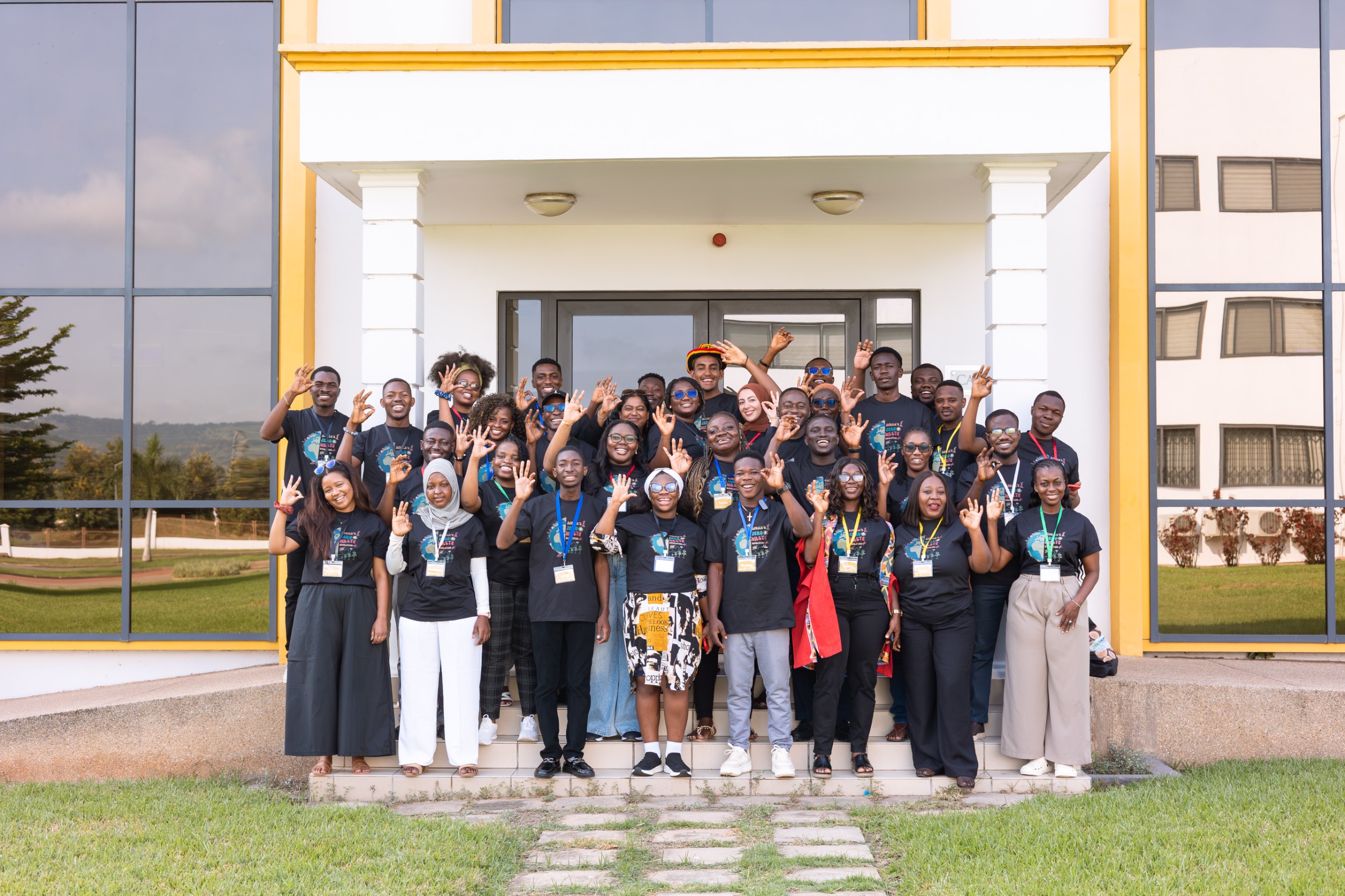
Now in its second year, the Academy attracted more than 700 applications from climate and waste professionals across Africa, with participants selected to ensure broad geographic representation and gender balance
The Global Alliance for Incinerator Alternatives (GAIA Africa) and the Green Africa Youth Organization (GAYO) have launched the in-person phase of the Africa Zero Waste Academy 2026, bringing together emerging climate and waste management practitioners from across the continent to advance sustainable waste solutions.
The training, currently underway in Kpong, Ghana, follows a five-week virtual programme and is designed to equip participants with the technical skills needed to develop localized zero waste systems that reduce greenhouse gas emissions, create green jobs, and improve public health.
Now in its second year, the Academy attracted more than 700 applications from climate and waste professionals across Africa, with participants selected to ensure broad geographic representation and gender balance.
The initiative comes amid growing concern over the global waste crisis. More than 2.1 billion tonnes of municipal solid waste are generated worldwide each year, with experts increasingly advocating localized interventions such as waste separation at source and organic waste management to reduce environmental pollution, methane emissions, and biodiversity loss.
The programme also builds on Ghana's growing recognition as a leader in sustainable waste management. Earlier this year, the United Nations named Accra among 20 Cities Towards Zero Waste, citing efforts such as GAYO's Zero Waste Accra Project, which has diverted organic, plastic, and electronic waste from landfills while reducing methane emissions.
Speaking at the opening of the in-person session, Ama Asiedu, GAIA Africa's Zero Waste and Climate Programme Associate, said the Academy extends beyond waste management to address broader climate and development challenges.
"This is not just about managing waste better; it's about rethinking systems for climate resilience, green jobs, and community health," she said.
Organisers said the Academy promotes a justice-centred approach to waste management by protecting the rights and livelihoods of waste pickers and other frontline workers while encouraging systems that prevent waste generation from the outset.
Fathia Selasi Charway-Glover, Project Coordinator for Zero Waste Cities at GAYO, described zero waste as a transformative agenda requiring coordinated investment in people, policy, infrastructure, and technical capacity.
She said the Academy is helping build the cross-sector collaboration needed to accelerate Africa's transition to a circular economy, where waste is treated as a valuable resource rather than a burden.
During the in-person programme, participants will attend expert-led sessions and undertake field visits to operational Zero Waste projects in Accra, reinforcing lessons from the virtual training.
Organisers expressed confidence that graduates of the Academy will return to their respective countries equipped to drive sustainable waste policies and community-led environmental initiatives across the continent.